Skip to content
Understanding IPTV Suppliers: A Comprehensive Guide
In today’s digital entertainment landscape, many viewers find themselves frustrated with rising cable prices and limited content options. The search for affordable, flexible viewing alternatives has led countless consumers to explore internet-based television solutions. IPTV suppliers have emerged as popular alternatives, offering expansive channel lineups and on-demand content through internet protocol technology rather than traditional broadcasting methods. These suppliers vary widely in service quality, channel selection, and reliability—leaving many potential subscribers uncertain about which provider might best meet their needs. Before committing to any service, it’s always wise to evaluate performance on your specific devices and network. Try a free IPTV trial to experience the streaming quality firsthand.
What Is IPTV and How Do IPTV Suppliers Operate?
IPTV (Internet Protocol Television) refers to television content delivered through internet protocol networks rather than through traditional satellite or cable formats. IPTV suppliers are companies that package and distribute television channels and on-demand content through this technology, allowing users to stream media on various internet-connected devices.
Unlike conventional broadcasting where all content streams simultaneously, IPTV suppliers deliver content only when subscribers request it. This system works through three primary components: the content server (storing all programming), the middleware (managing user requests and access), and the set-top box or application interface that viewers interact with directly.
Modern IPTV suppliers typically offer three service types: – Live television streaming (similar to traditional cable) – Time-shifted content (catch-up TV for recently aired programs) – Video on demand (libraries of movies and shows available anytime)
The technical infrastructure required to deliver these services is complex, involving content acquisition, transcoding, storage, and distribution systems that must operate seamlessly across various network conditions. Authority streaming reference provides more detailed information about the underlying technology.
Why Users Search for IPTV Suppliers
The growing interest in IPTV suppliers stems from several key consumer motivations:
Cost Considerations
Traditional cable and satellite subscriptions continue increasing in price while often bundling unwanted channels. Many consumers seek IPTV suppliers as more economical alternatives that allow them to pay only for content they actually want.Content Accessibility
Geographic content restrictions and regional broadcasting limitations frustrate viewers who want access to international programming. IPTV suppliers often provide content from multiple regions, solving this pain point for diaspora communities or international sports fans.Flexibility and Convenience
Unlike conventional television services with rigid hardware requirements, IPTV can be accessed across multiple devices—smartphones, tablets, computers, smart TVs—offering viewing flexibility impossible with traditional systems.Enhanced Features
Many IPTV suppliers provide advanced features like cloud DVR functionality, multi-screen viewing, and customizable interfaces that traditional services either don’t offer or charge premium prices to access.The combination of these factors has created strong market demand, though potential subscribers should understand both the benefits and limitations before switching. Trusted industry source provides additional context on how streaming media has transformed content consumption patterns.
Key Information About IPTV Suppliers
Understanding how to evaluate IPTV suppliers helps potential subscribers make informed decisions. Several factors determine service quality:
Service Models Comparison
| Feature | Premium IPTV Suppliers | Mid-tier Suppliers | Budget Suppliers | |———|————————|——————-|—————–| | Channel Count | 5,000+ | 1,000-5,000 | <1,000 | | Stream Stability | High with redundant servers | Generally reliable | Variable | | Resolution Support | 4K/HD standard | HD standard, some 4K | Mostly HD, limited 4K | | Customer Support | 24/7 via multiple channels | Limited hours support | Email only, delayed response | | Multi-connection Options | 5+ connections standard | 2-3 connections | Single connection or paid extras | | EPG (Electronic Program Guide) | Comprehensive, regularly updated | Basic functionality | Limited or non-updated | | VOD Content | Extensive libraries | Moderate selection | Limited or none | | Pricing (Annual) | $80-150 | $50-80 | $30-50 |
Technical Infrastructure
The quality of an IPTV supplier’s service depends heavily on their technical infrastructure. Better providers maintain:
– Multiple server locations for regional optimization – Sufficient bandwidth allocation per user – Content delivery networks (CDNs) for efficient distribution – Adaptive bitrate technology for varying connection speeds – Regular server maintenance and upgrades
Legal Considerations
The IPTV market includes both licensed and unlicensed suppliers. Licensed providers have obtained proper rights to distribute content, while others may operate in regulatory gray areas. Subscribers should research providers’ content licensing status as this affects service stability and legal exposure.
Setup & Preparation
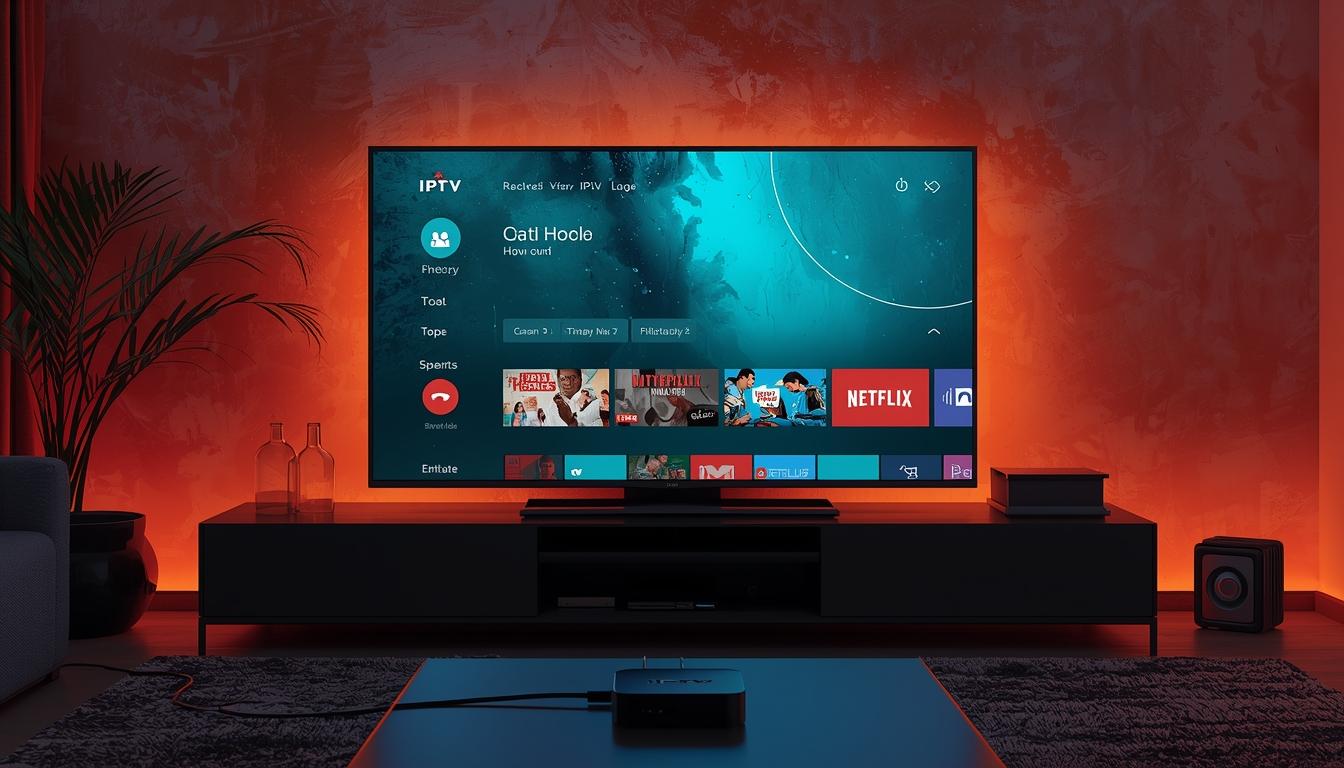
Preparing for IPTV service requires attention to several prerequisites that ensure optimal streaming performance:
Internet Connection Requirements
Before subscribing to any IPTV suppliers, verify your internet connection meets these minimum specifications:
– Download speed: 25+ Mbps for HD content (50+ Mbps recommended for 4K) – Upload speed: At least 5 Mbps – Latency: Under 50ms for stable streaming – Data caps: Check if your ISP imposes limits that might affect heavy streaming usage
Most IPTV suppliers recommend a wired ethernet connection rather than WiFi for stability, though modern mesh WiFi systems can provide adequate performance.
Hardware Considerations
The required equipment varies based on how you’ll access the service:
– Smart TV: Many newer models support IPTV apps directly – Streaming devices: Apple TV, Amazon Fire Stick, Roku, or Android boxes – IPTV-specific set-top boxes: MAG devices or Formuler boxes – Computer: Windows, Mac, or Linux with appropriate player software – Mobile devices: Tablets and smartphones for on-the-go viewing
Setup typically takes 15-30 minutes for first-time users, depending on the chosen device and technical familiarity.
WCIPTV Context
WCIPTV offers a comprehensive IPTV solution designed to address the common challenges users face with other providers. The service emphasizes connection stability through redundant server infrastructure, minimizing the buffering and downtime that frustrate many IPTV users.
What distinguishes WCIPTV from many other IPTV suppliers is its wide compatibility with virtually any streaming device—from dedicated IPTV boxes to smart TVs, mobile devices, and computers. This flexibility allows subscribers to leverage existing hardware without additional purchases.
The platform provides an intuitive user interface that simplifies channel navigation and content discovery, making it accessible even for users new to IPTV technology. Before making any commitment, WCIPTV encourages potential customers to evaluate performance on their specific network and devices to ensure satisfaction. For more information about available packages and supported features, visit WCIPTV.
Step-by-Step Instructions for Setting Up IPTV
After selecting from available IPTV suppliers, follow these steps to configure your service:
1. Choose Your Preferred Device
Select which device you’ll use as your primary IPTV player. Common options include: – Amazon Fire TV Stick – Android TV Box – Formuler or MAG Box – Smart TV with app support – Mobile device or tablet
2. Install the Appropriate Application
Depending on your device, install one of these compatible IPTV applications: – TiviMate – IPTV Smarters Pro – GSE Smart IPTV – Perfect Player – VLC Media Player (for computer users)
Most applications are available through respective app stores or by sideloading.
3. Gather Your Subscription Information
After purchasing from your chosen IPTV supplier, you’ll typically receive: – M3U URL or playlist file – EPG (Electronic Program Guide) URL – Username and password – Portal URL (for MAG devices)
Save this information securely as you’ll need it for configuration.
4. Configure Your Application
Open your installed IPTV application and follow these general configuration steps: – Navigate to settings or add playlist option – Enter the M3U URL or import the playlist file – Add the EPG URL for program information – Enter credentials if required – Set buffering options (start with default settings) – Configure UI preferences like channel sorting
5. Optimize Playback Settings
For best performance: – Adjust video quality settings based on your internet speed – Set appropriate buffer time (2-5 seconds recommended) – Enable hardware acceleration if available – Configure audio output options
6. Test Multiple Channels
Verify functionality by: – Testing channels across different categories – Checking both SD and HD streams – Testing VOD content if included – Verifying EPG accuracy
This process typically takes 15-30 minutes for initial setup, with additional time for customization.
Devices & Compatibility
When evaluating IPTV suppliers, device compatibility significantly impacts user experience. Most quality providers support these common platforms:
Android-Based Devices
– Android TV boxes (Nvidia Shield, Xiaomi Mi Box) – Android smartphones and tablets – Amazon Fire Stick and Fire TV – Chromecast with Google TVThese devices typically offer the most flexible IPTV experience through dedicated apps like TiviMate or IPTV Smarters Pro.
Apple Ecosystem
– Apple TV (4th generation and newer) – iPhones and iPads – Mac computersApple devices may require specific apps like GSE Smart IPTV or IPTV Smarters due to App Store restrictions.
Dedicated IPTV Boxes
– Formuler devices (Z8, Z Alpha, etc.) – MAG boxes (MAG322, MAG424, etc.) – Dreamlink/FormulerThese purpose-built devices often provide the most seamless experience with EPG integration and recording capabilities.
Smart TVs
– Samsung Tizen OS – LG WebOS – Android TV (Sony, Philips) – Fire TV Edition televisionsSmart TV compatibility varies significantly between manufacturers and models, with some requiring sideloading of applications.
Gaming Consoles
– Xbox (through browser or media apps) – PlayStation (limited support through media players)Console support is often more limited compared to dedicated streaming devices.
When selecting IPTV suppliers, verify which specific devices they officially support and whether they offer dedicated applications or configuration guides for your preferred viewing method.
Tips for Optimizing Your IPTV Experience
To get the most from IPTV suppliers, consider these optimization strategies:
Network Optimization
– Use wired ethernet connections whenever possible – Place wireless devices close to your router – Consider a mesh WiFi system for large homes – Limit other bandwidth-heavy activities during viewing – Use quality network equipment (modern router, gigabit switches) – Configure QoS (Quality of Service) to prioritize streaming trafficApplication Settings
– Experiment with different buffer settings (2-5 seconds typically works best) – Set appropriate video quality based on your connection (auto-select if available) – Enable hardware acceleration for smoother playback – Use external players like VLC for problematic streams – Regularly clear cache on your applicationsContent Organization
– Create favorites lists for frequently watched channels – Organize channels by category for easier navigation – Hide channels you never watch to streamline the interface – Set up multiple user profiles if supportedSubscription Management
– Consider maintaining backup subscriptions from different IPTV suppliers – Schedule automatic renewals to prevent service interruptions – Keep configuration details saved securely for quick restorationThese optimizations can significantly improve reliability and user experience beyond the standard setup provided by IPTV suppliers.
Troubleshooting Common IPTV Issues
Even with reputable IPTV suppliers, technical issues occasionally arise. Here’s how to address the most common problems:
Buffering and Freezing
Problem: Stream constantly pauses or buffers during playback. Solutions: – Increase buffer time in player settings (try 5-10 seconds) – Check internet speed using online speed tests – Disconnect other devices using bandwidth – Try different servers if your provider offers multiple options – Restart your networking equipmentConnection Errors
Problem: Unable to connect to service or “playlist could not be loaded” errors. Solutions: – Verify subscription is active and credentials are correct – Check if URL/login details have changed (contact supplier) – Try accessing via mobile data to rule out ISP blocking – Use a VPN service if ISP throttling is suspected – Restart the application and deviceEPG (Electronic Program Guide) Issues
Problem: Missing or incorrect program information. Solutions: – Check EPG URL is correctly entered – Force EPG refresh in application settings – Clear EPG cache – Contact IPTV supplier about EPG updates – Try alternative EPG sources if availablePoor Video Quality
Problem: Pixelated or low-resolution playback. Solutions: – Check if better streams are available (HD/FHD versions) – Verify your internet speed supports HD streaming – Try different IPTV player applications – Test on different devices to identify device-specific issues – Contact your IPTV supplier about stream qualityVOD Playback Problems
Problem: On-demand content won’t play or stops midway. Solutions: – Try different VOD titles to isolate the issue – Use an external player like VLC for problematic content – Clear application cache – Check if content was recently added (may still be processing) – Restart the applicationPersistent issues with multiple streams may indicate problems with the IPTV supplier’s infrastructure rather than local configuration issues. In such cases, communication with customer support is recommended.
Conclusion
Navigating the world of IPTV suppliers requires understanding both the technology and the market landscape. The right provider can transform your entertainment experience with flexible viewing options, extensive content libraries, and significant cost savings compared to traditional cable services.
When evaluating potential IPTV suppliers, prioritize reliability, content quality, device compatibility, and customer support over channel quantity alone. While massive channel numbers make for impressive marketing, the actual streaming quality and service stability matter far more for daily use.
The IPTV market continues evolving rapidly, with improvements in stream quality, interface design, and feature sets appearing regularly. As internet infrastructure improves globally, the viewing experience will only get better, potentially making IPTV the dominant television distribution method in coming years.
Whether you’re looking to supplement existing services or completely replace traditional television, taking time to research and test different IPTV suppliers will ensure you find the solution that best matches your viewing habits, technical setup, and budget considerations.