Skip to content
Understanding IPTV Subscriptions: Complete Guide for 2023
In today’s digital entertainment landscape, consumers face the challenge of accessing diverse content across multiple streaming platforms, each requiring separate subscriptions and increasing monthly costs. The fragmentation of content across services can leave viewers frustrated and searching for more comprehensive solutions. This is where an iptv subscription enters the picture, offering a potential alternative to traditional cable packages and multiple streaming subscriptions.
IPTV (Internet Protocol Television) delivers television content through internet protocol networks rather than conventional broadcast methods, satellite signals, or cable television formats. With an iptv subscription, viewers can access hundreds or even thousands of channels through a single service. Before committing to any long-term plan, it’s always wise to evaluate the service quality and channel selection. Try a free IPTV trial to experience the benefits firsthand.
What is an IPTV Subscription?
An IPTV subscription is a service that allows users to access television programming via the internet instead of traditional delivery methods like satellite dishes, antennas, or fiber-optic cables. Unlike conventional TV services, IPTV uses internet protocols to deliver video content directly to connected devices.
The technology behind IPTV subscriptions leverages Authority streaming reference protocols to transmit content efficiently. IPTV works by breaking down video content into data packets and sending them over the internet to your viewing device, where they’re reassembled into viewable content.
Most IPTV subscriptions operate on a simple model: providers host content on servers, and subscribers gain access through dedicated applications or media players. This content is delivered on-demand rather than through continuous broadcasting, allowing for greater flexibility and content selection.
A typical iptv subscription includes: – Live TV channels from multiple countries and categories – Video-on-demand (VOD) content including movies and TV series – Electronic program guides (EPG) for scheduling – Multi-device compatibility – HD and sometimes 4K streaming options
Why Users Search for IPTV Subscriptions
The growing interest in iptv subscriptions stems from several key factors related to how we consume entertainment today. Understanding these motivations helps clarify why many consumers are exploring alternatives to conventional television services.
Cost Considerations
Traditional cable and satellite packages have become increasingly expensive, with the average monthly bill exceeding $100 in many regions. IPTV subscriptions typically cost a fraction of this amount while providing similar or expanded content libraries.Content Variety
Many users seek international content or specialty channels not available through local providers. IPTV subscriptions often include channels from dozens of countries, providing access to content that would otherwise require multiple different service subscriptions.Flexibility and Convenience
Unlike conventional TV services that require installation appointments and equipment rental, Trusted industry source confirms that internet-based television solutions offer greater flexibility. Viewers can watch on multiple devices without location restrictions, all while avoiding long-term contracts.Consolidation of Entertainment
With the proliferation of streaming services, many households now manage 4-5 different subscriptions. An iptv subscription can potentially consolidate much of this content under a single service, simplifying both the viewing experience and monthly expenses.How IPTV Subscriptions Work
Understanding the technical fundamentals of IPTV helps users make informed decisions about service selection and troubleshooting potential issues. Unlike traditional broadcasting that sends all channels simultaneously, IPTV delivers only the requested content.
IPTV Delivery Methods Comparison
| Feature | Traditional Cable | Satellite TV | IPTV Subscription | |———|——————|————–|——————-| | Delivery Method | Coaxial Cable | Satellite Signal | Internet Connection | | Equipment Required | Cable Box | Satellite Dish & Receiver | Internet-Connected Device | | Installation | Professional Installation | Professional Installation | Self-Installation | | Channel Capacity | Limited by Infrastructure | Limited by Transponders | Virtually Unlimited | | On-Demand Capability | Limited | Limited | Extensive | | Multi-Device Support | Limited | Limited | Comprehensive | | Contract Length | Typically 1-2 Years | Typically 1-2 Years | Monthly to Annual Options | | Average Monthly Cost | $85-120 | $70-130 | $10-20 |
IPTV subscriptions transmit content through three primary methods:
1. Live Television: Similar to traditional broadcasts but delivered via internet protocol 2. Video On Demand (VOD): Stored content available anytime 3. Time-Shifted Media: Catch-up TV allowing access to recently aired programs
The technology uses a combination of streaming protocols including HLS (HTTP Live Streaming), RTSP (Real Time Streaming Protocol), and MPEG-DASH to deliver high-quality video efficiently across varying internet connection speeds.
Setup & Preparation
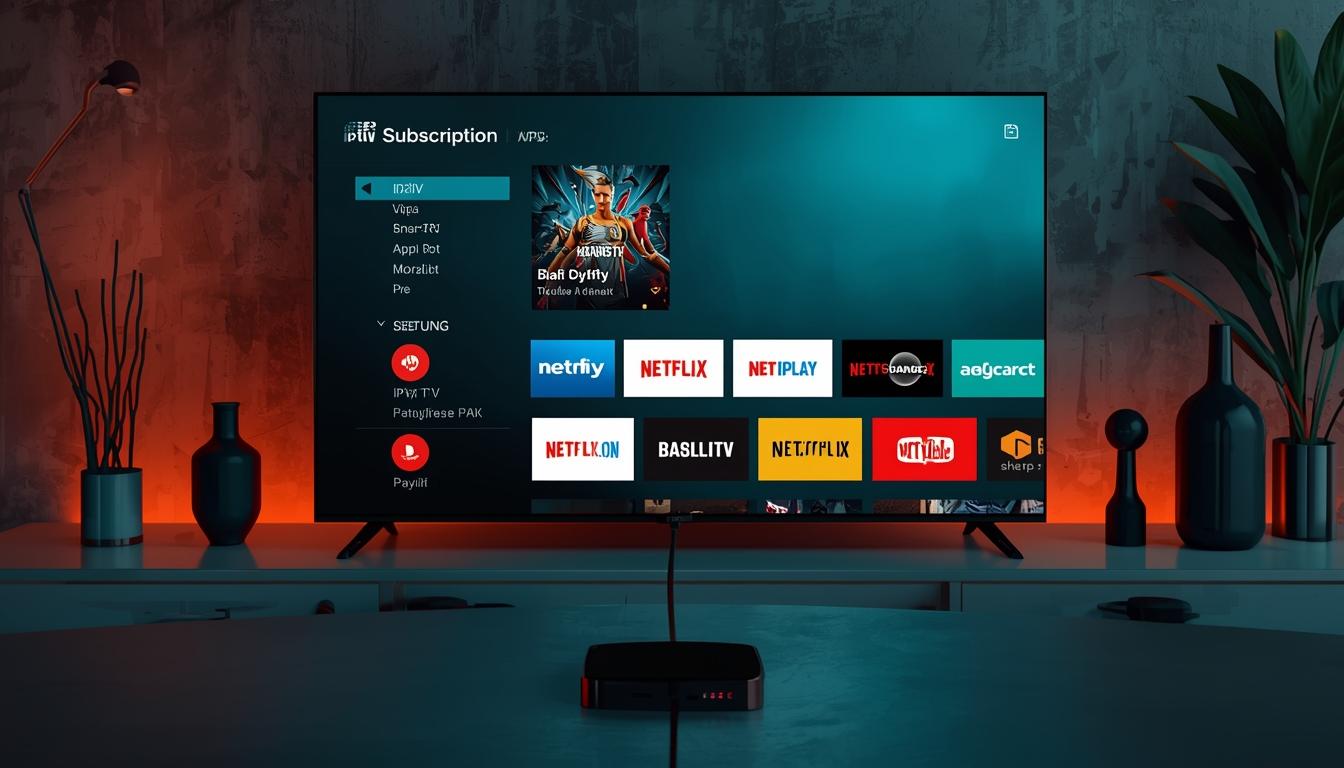
Before activating an iptv subscription, several preparations ensure optimal performance. The setup process typically requires 15-30 minutes for most users, though additional optimization may take longer depending on your technical comfort level.
Internet Connection Requirements
A stable internet connection forms the foundation of any IPTV experience. At minimum: – 10 Mbps download speed for HD content – 25+ Mbps for 4K streaming – Low latency (ping under 50ms ideally) – Unlimited data or high data caps (IPTV can consume 3-7GB per hour of HD viewing)Device Selection
IPTV subscriptions work across multiple devices, but dedicated streaming devices often provide the best experience: – Amazon Fire TV Stick/Cube – Android TV boxes – Nvidia Shield – Apple TV – Smart TVs with app support – Smartphones and tablets (for mobile viewing)Supporting Software
Most iptv subscription services require specific applications for optimal performance: – IPTV player applications (TiviMate, IPTV Smarters, Perfect Player) – VLC Media Player (for manual playlist loading) – Web browsers (for web-based interfaces)Setting aside adequate time for setup and familiarization with your chosen IPTV player interface will significantly improve your initial experience with the service.
WCIPTV Context
When exploring iptv subscription options, service reliability becomes a crucial factor in the decision-making process. WCIPTV has established itself as a flexible solution in the IPTV marketplace, focusing on stability and consistent performance across various network conditions.
The service’s architecture prioritizes server redundancy to minimize buffering and downtime—common issues with less established providers. This approach ensures more reliable streaming during peak viewing hours when network congestion typically affects performance.
Device compatibility represents another key strength, with WCIPTV supporting virtually all mainstream streaming platforms including Android TV, Amazon Fire devices, Apple TV, iOS, and Android mobile devices. This universal compatibility eliminates the need for separate subscriptions across different viewing environments.
Before committing to any long-term subscription plan, new users should evaluate service quality, channel selection, and interface usability. This preliminary assessment helps ensure the service meets specific viewing preferences and technical requirements. For more information about available options, visit WCIPTV to explore current offerings.
Step-by-Step Instructions for Setting Up an IPTV Subscription
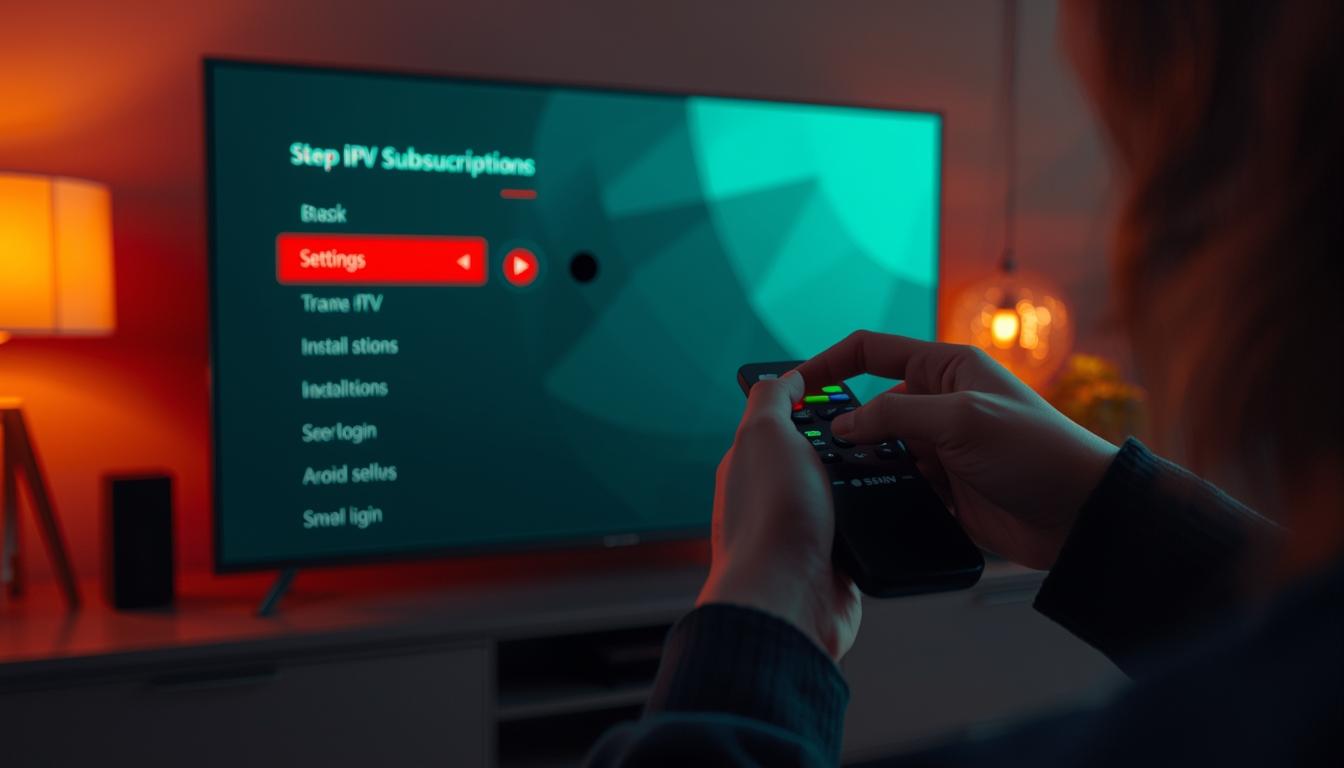
Following a systematic approach to setting up your iptv subscription will minimize potential complications and ensure optimal performance. These steps apply to most mainstream IPTV services:
1. Select an IPTV Provider – Research reputable providers – Verify content availability matches your preferences – Check supported devices compatibility – Compare subscription terms and pricing
2. Purchase Your Subscription – Select your preferred subscription duration – Complete payment through the provider’s secure payment system – Save confirmation details and account credentials
3. Prepare Your Device – Ensure your streaming device is properly connected to your display – Verify internet connection stability and speed – If using a VPN, ensure it’s properly configured (optional but recommended)
4. Install Required Applications – Download the recommended IPTV player application – Install any necessary supporting applications – Ensure applications have necessary permissions
5. Configure Your IPTV Player – Open your IPTV player application – Select “Add Playlist” or equivalent option – Enter the M3U URL provided by your subscription service or upload the M3U file – Add EPG URL if provided separately
6. Organize Channel Lists – Sort channels by categories if not automatically organized – Create favorites for frequently watched channels – Hide unwanted categories or channels for a cleaner interface
7. Test and Optimize – Test several channels across different categories – Verify stream quality and stability – Adjust buffer settings if experiencing playback issues
8. Configure Additional Devices – Repeat steps 3-7 for any additional viewing devices – Consider using playlist synchronization if supported by your player
Following these steps typically requires 20-30 minutes for initial setup, with additional time for customization and optimization based on personal preferences.
Devices & Compatibility
The versatility of an iptv subscription lies in its compatibility with a wide range of devices. Understanding which platforms deliver the best experience helps optimize both viewing quality and convenience.
Dedicated Streaming Devices
– Amazon Fire Stick/Cube: Excellent compatibility with most IPTV applications; affordable entry point with good performance – Android TV Boxes: High flexibility with direct access to Google Play Store for various IPTV applications – Nvidia Shield: Premium option offering the highest performance for buffer-free viewing and additional gaming capabilities – Formuler/Dreamlink Boxes: Purpose-built for IPTV with integrated interfaces specifically designed for channel navigationSmart TV Platforms
– Android TV: Native support for most IPTV applications – Samsung Tizen: Limited direct support; may require workarounds – LG WebOS: Limited native support but works with certain applications – Roku: Restricted IPTV application availability due to platform limitationsMobile Devices
– iOS (iPhone/iPad): Good support through specific IPTV applications, though Apple’s policies may restrict some features – Android Phones/Tablets: Excellent compatibility with the broadest range of IPTV applicationsComputers
– Windows PC: Full compatibility with dedicated applications and web interfaces – macOS: Good support through VLC and platform-specific applications – Linux: Compatible with VLC and certain dedicated applicationsFor optimal performance, dedicated streaming devices typically provide the most streamlined experience, with Android-based systems offering the greatest flexibility for application selection and customization.
Tips for Optimizing Your IPTV Experience
Maximizing the value of your iptv subscription requires attention to both technical and organizational details. These optimization strategies improve reliability, convenience, and overall satisfaction.
Technical Optimization
– Use Ethernet Connections: Whenever possible, use wired connections instead of Wi-Fi to reduce buffering and improve stability – Adjust Buffer Settings: Increase buffer time in your IPTV player settings if experiencing intermittent buffering – VPN Configuration: If using a VPN, select servers geographically close to you or your IPTV provider’s servers for minimal speed impact – Router QoS Settings: Configure Quality of Service settings on your router to prioritize streaming traffic – Regular Updates: Keep your IPTV application and device firmware updatedContent Organization
– Create Custom Groups: Organize channels into personalized groups beyond default categories – Set Recording Schedules: Configure recording capabilities for time-shifted viewing if supported – Utilize EPG Effectively: Filter program guides by genre or search functionality to discover content – Multi-Room Synchronization: Use playlist synchronization features to maintain consistent favorites across devicesSubscription Management
– Calendar Reminders: Set renewal reminders to avoid service interruptions – Maintain Provider Communication: Keep provider contact information accessible for support needs – Backup Configuration: Export and save your player configurations to simplify recovery if neededImplementing these optimization strategies can transform a basic iptv subscription into a highly personalized and reliable entertainment system that meets specific viewing preferences.
Troubleshooting Common IPTV Issues
Even well-configured iptv subscription services can occasionally encounter problems. Understanding common issues and their solutions minimizes disruption to your viewing experience.
Buffering Problems
Issue: Video frequently pauses to load Solutions: – Check your internet connection speed (use speed test websites) – Increase buffer size in player settings – Try an alternative server if your provider offers multiple options – Reduce video quality settings temporarily – Close background applications consuming bandwidthAuthentication Errors
Issue: “Invalid username/password” or “Access denied” messages Solutions: – Verify credentials are entered correctly (including case sensitivity) – Check subscription status and expiration date – Confirm IP limitations (some services restrict concurrent connections) – Contact provider to reset credentials if necessaryEPG (Electronic Program Guide) Issues
Issue: Missing or incorrect program information Solutions: – Verify EPG URL is correctly entered – Force EPG update in player settings – Clear EPG cache and reload – Check time zone settings in your applicationChannel Playback Failures
Issue: Specific channels fail to load or display errors Solutions: – Try alternative streams of the same channel if available – Test problematic channels on different devices – Report specific channel issues to your provider – Check for channel maintenance noticesApplication Crashes
Issue: IPTV player application closes unexpectedly Solutions: – Update application to latest version – Clear application cache – Reinstall application – Check device storage space – Verify device compatibilityDocumenting specific error messages when contacting support teams significantly improves troubleshooting efficiency and resolution time.
Conclusion
The digital entertainment landscape continues to evolve, and iptv subscription services represent an important alternative in the spectrum of content delivery options. The technology bridges traditional television’s comprehensive channel selection with the convenience and flexibility of internet-based streaming.
When properly configured and optimized, an iptv subscription can provide access to diverse content libraries across multiple devices while potentially reducing overall entertainment costs. The key factors for success include selecting reputable providers, ensuring adequate internet infrastructure, and choosing compatible devices that align with specific viewing preferences.
As with any technology, the learning curve varies based on technical comfort level, but the initial investment in understanding setup processes and optimization techniques typically yields significant improvements in viewing experience. For those seeking content variety, flexibility, and cost efficiency, IPTV represents a compelling option worth exploring.
Whether you’re looking to supplement existing streaming services or replace traditional cable entirely, understanding the fundamentals outlined in this guide helps navigate the transition to internet-based television with confidence and realistic expectations.