Skip to content
Choosing the Right IPTV Stream Player for Seamless Entertainment
Navigating the world of streaming services can be overwhelming, especially when you’re faced with buffering issues, content limitations, or complicated user interfaces. Many viewers struggle to find a reliable way to access their preferred content without technical headaches. Finding the right iptv stream player is often the missing piece that can transform your viewing experience from frustrating to fantastic.
An effective iptv stream player serves as the gateway between your internet connection and your screen, organizing and displaying content in an accessible, user-friendly way. Before committing to any streaming solution, it’s wise to test different options to ensure they meet your specific needs and expectations. Try a free IPTV trial to experience the difference a quality stream player can make.
What is an IPTV Stream Player?
An IPTV stream player is a specialized application or device designed to receive, decode, and display television content delivered through internet protocol (IP) networks rather than traditional satellite or cable formats. Unlike conventional TV broadcasting, IPTV stream players allow users to access content on-demand through internet connectivity, offering greater flexibility and personalization.
These players come in various forms – they can be standalone applications on smart TVs, dedicated devices like set-top boxes, or software applications that run on existing devices such as smartphones, tablets, or streaming sticks like Authority streaming reference. The core function remains consistent: they process data packets transmitted over the internet and convert them into viewable media content.
The technology behind iptv stream players includes several components working together:
– Content reception through internet protocols
– Decoding of compressed video and audio streams
– User interface for navigation and selection
– Playback capabilities with various control options
– Stream buffering to ensure smooth viewing
Modern IPTV players support multiple formats and protocols, allowing users to access a wide range of content from different providers through a single interface.
Why Users Search for IPTV Stream Players
The growing interest in iptv stream players stems from several key consumer motivations that reflect the changing landscape of entertainment consumption:
Content Access and Flexibility
Many users seek alternatives to traditional cable packages that often include channels they never watch. IPTV stream players provide access to specific content libraries without unnecessary extras.
Cost Considerations
Traditional television services can be expensive. IPTV solutions often offer more competitive pricing structures for comparable content libraries.
Device Consolidation
Users increasingly prefer unified entertainment systems. A quality iptv stream player can consolidate multiple entertainment sources into one interface.
International Content Access
Expatriates and language enthusiasts search for players that can access international programming not typically available through local providers.
Technical Advantages
IPTV technology, as described by Trusted industry source, offers higher resolution options and more stable streaming than some traditional broadcasting methods, especially in areas with strong internet but weak broadcast signals.
The primary pain points driving users to research stream players include dissatisfaction with current entertainment options, technical limitations of existing setups, and the desire for more customized viewing experiences.
How IPTV Stream Players Work
IPTV stream players operate on fundamentally different principles than traditional television. Instead of receiving broadcast signals through airwaves or dedicated cables, these players request and receive data packets over the internet, which are then assembled into viewable content.
The process begins when a user selects content through the player’s interface. This selection triggers a request to the content server, which then streams data to the player. The player buffers this data, decodes it, and displays it on the connected screen. This on-demand approach differs significantly from traditional broadcasting, where content is transmitted continuously regardless of whether anyone is watching.
IPTV Stream Player Comparison
| Feature | Basic IPTV Players | Mid-Range Players | Premium Players |
|———|——————-|——————-|—————–|
| User Interface | Simple, sometimes clunky | Intuitive, customizable | Polished, highly responsive |
| Format Support | Limited (MP4, M3U) | Moderate (adds TS, HLS) | Comprehensive (all major formats) |
| EPG Integration | Basic or none | Functional | Advanced with recommendations |
| Multi-device Support | Single device | 2-3 devices | 5+ devices simultaneously |
| Video Quality | Up to 720p | Up to 1080p | 4K and HDR support |
| Buffer Management | Manual | Semi-automatic | Intelligent adaptive buffering |
| Additional Features | Basic playback | Recording, timeshift | Cloud recording, AI enhancements |
| Price Range | Free – $20 | $20 – $50 | $50+ |
Different types of players are designed for specific use cases. Some prioritize simplicity and accessibility, while others focus on advanced features for power users. The right choice depends on your technical comfort level, content preferences, and viewing habits.
Setup & Preparation
Setting up an iptv stream player requires some preparation to ensure optimal performance. The process typically takes between 15-60 minutes, depending on your technical familiarity and the specific player you’ve chosen.
Before You Begin
1. Internet Connection Assessment: Verify your internet speed meets minimum requirements:
– SD content: 5 Mbps minimum
– HD content: 10 Mbps minimum
– 4K content: 25 Mbps minimum
2. Device Inventory: Determine which devices you’ll use for streaming. Common options include:
– Smart TVs with app support
– Streaming sticks or boxes (Fire TV, Roku, Apple TV)
– Mobile devices (phones, tablets)
– Computers or laptops
3. IPTV Subscription Information: Gather your subscription details:
– Account credentials
– M3U playlist URL or file
– EPG (Electronic Program Guide) URL if provided separately
4. Supporting Applications: Identify any additional applications needed:
– VPN service (for privacy or geo-restriction purposes)
– Media players that support IPTV
– File management apps for loading playlists
Taking time for proper preparation helps avoid common pitfalls and ensures a smoother setup process. Many users underestimate the importance of a strong, stable internet connection, which is the foundation of any successful IPTV implementation.
WCIPTV Context
When considering iptv stream player options, reliability and compatibility become crucial factors in your decision-making process. WCIPTV offers a flexible IPTV solution that works seamlessly with most popular stream players on the market, eliminating the frustration of incompatibility issues that plague many services.
What distinguishes WCIPTV from other providers is its commitment to stability, with redundant server architecture that minimizes buffering and downtime. This is particularly valuable during high-demand viewing periods like major sporting events or season premieres when other services might struggle.
Device compatibility is another area where WCIPTV excels, supporting virtually all mainstream streaming devices including Android boxes, Fire TV devices, Apple TV, and smart TV systems. This flexibility allows you to use your preferred iptv stream player rather than being forced into a proprietary ecosystem.
Before making any long-term commitment, it’s advisable to thoroughly test any IPTV service with your specific hardware setup and viewing preferences. This approach ensures you’ll get the performance you expect before investing in a longer subscription period.
For more information about available packages and compatible devices, you can WCIPTV to explore options that match your entertainment needs.
Step-by-Step Instructions
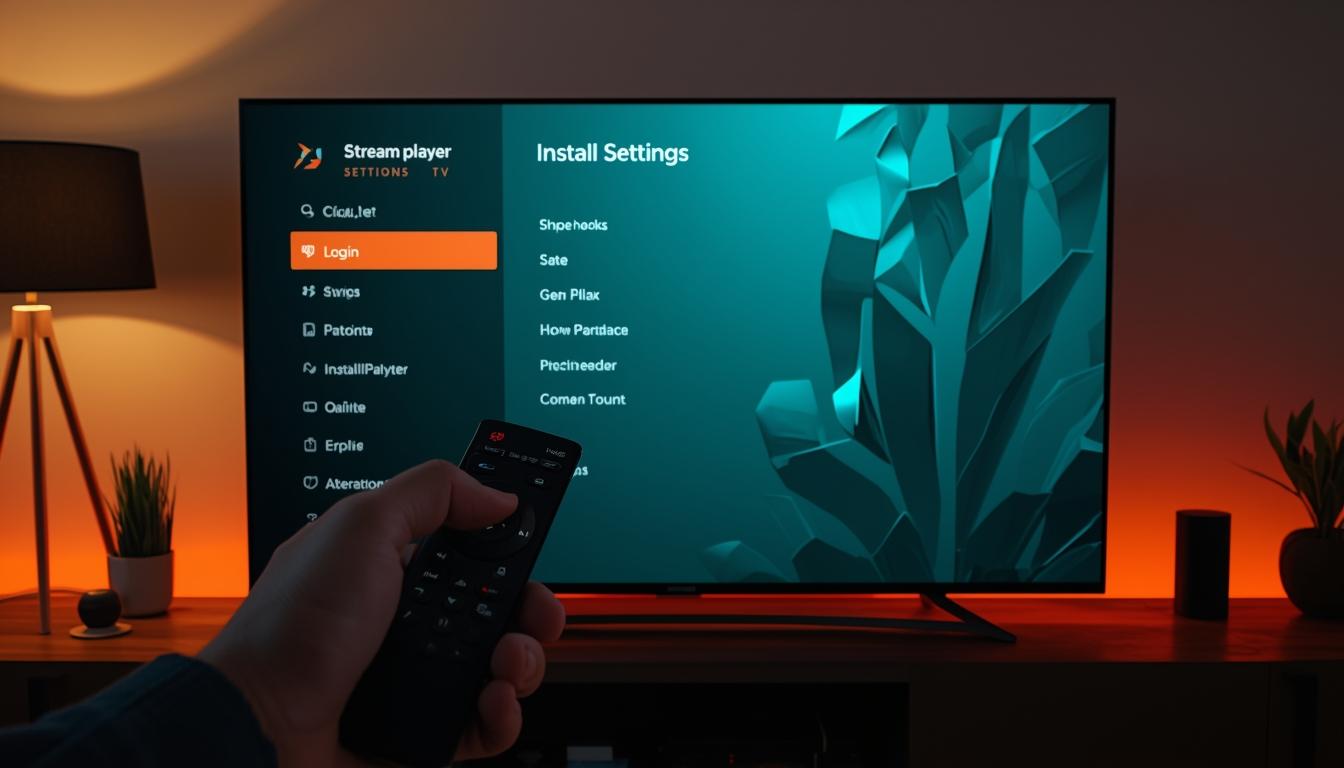
Setting up your iptv stream player correctly is crucial for optimal performance. Follow these detailed steps to ensure a smooth configuration process:
1. Choose Your IPTV Stream Player Application
– Research available options for your device
– Download from official app stores when possible
– Verify app ratings and recent updates
2. Install the Application
– Follow standard installation procedures for your device
– Grant necessary permissions when prompted
– Create an account if required by the application
3. Obtain M3U Playlist URL
– Access your IPTV provider’s customer portal
– Locate the M3U playlist link in your account section
– Copy the complete URL carefully (typically begins with http:// or https://)
4. Add Your Playlist to the Player
– Open your installed iptv stream player
– Navigate to “Settings” or “Add Playlist” option
– Select “Add URL” or similar option
– Paste your M3U playlist URL
– Name your playlist for easy identification
5. Configure EPG (Electronic Program Guide)
– Locate your EPG URL from your provider
– Navigate to EPG settings in your player
– Add the EPG URL as directed
– Set update frequency (daily recommended)
6. Optimize Playback Settings
– Adjust buffer size based on your internet speed
– Set preferred default resolution
– Configure audio settings and subtitle preferences
– Enable hardware acceleration if available
7. Organize Content (Optional)
– Create favorites for frequently watched channels
– Set up content categories if supported
– Hide unwanted channels to streamline navigation
8. Test Various Channels
– Check channels from different categories
– Test both high and standard definition streams
– Verify EPG information displays correctly
These steps apply to most iptv stream player applications, though specific menu names and options may vary slightly between different players. If you encounter difficulties, most applications offer troubleshooting guides in their support sections.
Devices & Compatibility
When selecting an iptv stream player, understanding device compatibility is essential for a seamless viewing experience. Different players support various operating systems and hardware specifications, so matching your player to your existing equipment prevents frustration and unnecessary expenses.
Major Streaming Devices and Compatibility
Android-Based Devices
– Android TV boxes (including NVIDIA Shield, Formuler)
– Android TV integrated smart televisions
– Android phones and tablets
– Compatibility Rating: Excellent (widest range of player options)
Amazon Devices
– Fire TV Stick (all generations)
– Fire TV Cube
– Fire Tablets
– Compatibility Rating: Very Good (some player limitations due to Amazon’s app policies)
Apple Ecosystem
– Apple TV (4th generation and newer)
– iPhones and iPads
– Mac computers
– Compatibility Rating: Good (fewer native players but high-quality options)
Windows and Linux Systems
– Desktop computers
– Laptops
– Mini PCs connected to televisions
– Compatibility Rating: Very Good (versatile options but less optimized for television viewing)
Smart TVs
– Samsung Tizen OS
– LG WebOS
– Sony (Android TV)
– Compatibility Rating: Variable (depends on specific model and operating system)
Gaming Consoles
– Xbox Series X/S
– PlayStation 5
– Compatibility Rating: Limited (fewer dedicated iptv stream player options)
Hardware Considerations
For optimal performance when using an iptv stream player, consider these hardware specifications:
1. Processing Power: Minimum dual-core processor for HD content, quad-core recommended for 4K
2. RAM: 2GB minimum, 4GB or more recommended for smoother operation
3. Storage: At least 8GB available for app installation and content caching
4. Internet Connection: Wired ethernet preferred for stability, 5GHz WiFi as secondary option
5. Video Output: HDMI 2.0 or higher for 4K content support
Investing in better hardware typically results in a more responsive interface, faster channel switching, and better handling of high-definition content through your iptv stream player.
Tips for Optimization
Maximizing the performance of your iptv stream player requires attention to several key factors. Implement these optimization techniques to enhance your viewing experience:
Network Optimization
– Wired Connections: Whenever possible, use ethernet connections rather than WiFi for more stable streaming.
– QoS Settings: Configure Quality of Service settings on your router to prioritize streaming traffic.
– Bandwidth Management: Limit other network activities during peak viewing times.
– Router Placement: If using WiFi, position your router centrally with minimal obstructions.
– Network Testing: Regularly check your speed at different times to identify potential issues.
Player Settings Optimization
– Buffer Settings: Increase buffer length during peak usage hours (2-5 seconds typically works well).
– Hardware Acceleration: Enable this feature if your device supports it to reduce CPU load.
– Resolution Management: Set automatic resolution adjustment based on network conditions.
– Cache Management: Clear cache regularly to prevent buildup of temporary files.
– Update Frequency: Set EPG updates for off-peak hours to avoid interruptions.
Content Organization
– Favorites System: Utilize the favorites feature to create personalized channel lists.
– Category Customization: Reorganize channel categories to match your viewing preferences.
– Hidden Channels: Remove unwanted channels from view to simplify navigation.
– Recent/History: Use history features to quickly return to frequently watched content.
Performance Enhancements
– Device Dedicated Mode: Consider dedicating a device solely to your iptv stream player.
– Regular Restarts: Restart your player application weekly to clear memory.
– Background Apps: Close unnecessary applications running in the background.
– Storage Management: Maintain at least 20% free storage on your device.
– Power Management: Disable sleep or power-saving modes during active viewing.
Implementing these optimization strategies can significantly improve responsiveness, reduce buffering, and enhance your overall satisfaction with your chosen iptv stream player.
Troubleshooting Common Issues
Even the best iptv stream player setups can encounter occasional problems. Here are solutions for the most common issues users face:
Buffering Problems
Symptoms: Video pauses frequently, loading icon appears repeatedly
Causes and Solutions:
1. Insufficient Bandwidth: Run a speed test to verify your connection meets minimum requirements
– Solution: Upgrade your internet package or reduce usage on other devices
2. Network Congestion: High traffic periods can affect performance
– Solution: Adjust viewing schedule or increase buffer settings temporarily
3. Server Load: Provider servers may be overloaded
– Solution: Try alternative streams or contact your provider
Playback Failures
Symptoms: Black screen, error messages, or immediate return to menu
Causes and Solutions:
1. Corrupted Stream: The specific channel may have issues
– Solution: Try different channels to isolate the problem
2. Format Compatibility: Your player may not support the stream format
– Solution: Update your player or try an alternative application
3. Authentication Errors: Your access credentials may have expired
– Solution: Verify subscription status and reauthorize if necessary
Interface Freezes
Symptoms: Controls unresponsive, navigation locked
Causes and Solutions:
1. Device Resource Limitations: Insufficient memory or processing power
– Solution: Close background applications or restart your device
2. Application Bugs: Software issues with the player itself
– Solution: Update to the latest version or clear application cache
3. Input Overload: Too many commands sent rapidly
– Solution: Allow time between button presses, restart the application
EPG Issues
Symptoms: Missing program information, incorrect listings
Causes and Solutions:
1. Outdated Guide Data: EPG hasn’t updated recently
– Solution: Manually refresh EPG data
2. Timezone Configuration: Incorrect time settings
– Solution: Verify device timezone settings match your location
3. Provider EPG Problems: Issues with the source data
– Solution: Contact your provider or try alternative EPG sources
Connection Problems
Symptoms: “No connection” errors, inability to load channels
Causes and Solutions:
1. Network Connectivity: Basic internet connection issues
– Solution: Restart your router and check other internet-dependent services
2. URL Changes: Provider may have updated server addresses
– Solution: Verify playlist URLs and update if necessary
3. VPN Conflicts: Virtual Private Network issues
– Solution: Test with VPN disabled or try different server locations
Most iptv stream player issues can be resolved through these troubleshooting steps. For persistent problems, consult your player’s support documentation or community forums for more specific guidance.
Conclusion
Selecting and optimizing the right iptv stream player represents a crucial step in creating your ideal entertainment setup. Throughout this guide, we’ve explored the fundamentals of how these players work, their compatibility with various devices, and strategies for maximizing their performance. The landscape of streaming technology continues to evolve rapidly, offering increasingly sophisticated options for viewers seeking alternatives to traditional television.
The key to success lies in matching your specific needs with the appropriate player solution. Whether you prioritize simplicity, advanced features, or cross-platform compatibility, there’s an iptv stream player designed to meet those requirements. Take time to evaluate your viewing habits, technical comfort level, and content preferences before making your final selection.
Remember that proper configuration and regular maintenance significantly impact your streaming experience. By implementing the optimization techniques and troubleshooting approaches outlined in this guide, you can minimize interruptions and enjoy more consistent performance from your chosen player.
As streaming continues to dominate the entertainment landscape, investing time in understanding and properly setting up your streaming infrastructure will pay dividends in viewing satisfaction for years to come.
Frequently Asked Questions
What’s the difference between an IPTV service and an IPTV stream player?
An IPTV service is the content provider that delivers channels and on-demand content through internet protocols. The iptv stream player is the application or device that receives, decodes, and displays this content on your screen. You need both components for a complete solution – the service provides access to content, while the player gives you the interface to browse and watch that content.
Can I use multiple IPTV stream players with a single subscription?
Most IPTV services allow their playlists to be used on multiple players, but there may be limitations on simultaneous streams. Check your service provider’s terms regarding concurrent connections. Some providers limit active connections to prevent account sharing, while others offer multi-device packages specifically designed for households with multiple viewing areas.
Do I need a VPN with my IPTV stream player?
A VPN is not technically required for an iptv stream player to function, but many users choose to use one for privacy protection and to prevent potential bandwidth throttling by internet service providers. Some services perform better with a VPN, while others may experience reduced speeds. Testing your specific setup both with and without a VPN is recommended.
Why does my stream quality suddenly decrease while watching?
Dynamic quality adjustments are a common feature in many iptv stream players designed to maintain playback during network fluctuations. When your connection speed temporarily decreases, the player automatically reduces quality to prevent buffering. This can be caused by network congestion, other devices using bandwidth, or issues with your internet service provider. Some players allow you to disable this feature if you prefer consistent quality.
How often should I update my IPTV stream player application?
It’s advisable to keep your iptv stream player updated to the latest version available. Updates typically include security improvements, bug fixes, and new features. Most applications offer automatic update notifications, but checking manually every 1-2 months ensures you haven’t missed any updates. Be cautious about updating immediately after a new release, as some updates may contain bugs that are addressed in subsequent patches.