Skip to content
Finding the Right IPTV Provider: Complete Guide and Comparison
Are you tired of rising cable subscription costs and limited channel options? Many households struggle with expensive TV packages that don’t deliver the content they actually want to watch. As traditional television services continue to increase prices while decreasing value, more viewers are seeking alternatives. Finding a reliable IPTV provider has become an increasingly popular solution for those looking to access their favorite content without the limitations and high costs of conventional cable or satellite TV.
Internet Protocol Television (IPTV) offers a flexible, customizable viewing experience at a fraction of traditional subscription costs. However, not all IPTV providers deliver the same quality, channel selection, or reliability. Before committing to any service, it’s wise to evaluate your options carefully. Try a free IPTV trial to experience the quality and features firsthand before making a long-term commitment.
What Is an IPTV Provider?
An IPTV provider is a service that delivers television content over Internet Protocol (IP) networks instead of through traditional satellite or cable formats. Unlike conventional TV broadcasting, IPTV sends television signals through your internet connection, allowing for more interactive features, on-demand content, and typically a wider range of channels.
These providers maintain servers that host and stream content to subscribers using various devices, including smart TVs, computers, tablets, smartphones, and dedicated IPTV boxes. The technology behind IPTV enables viewers to request and receive specific content rather than receiving continuous broadcasts of all available channels simultaneously. Authority streaming reference
IPTV services typically offer three main types of content:
1. Live TV – Similar to traditional television but delivered over the internet
2. Video on Demand (VOD) – Movies and shows available to watch anytime
3. Time-shifted media – Catch-up TV allowing viewers to watch previously aired content
The subscription-based model typically gives users access to hundreds or even thousands of channels from around the world, often at a significantly lower cost than cable or satellite packages.
Why Users Search for IPTV Providers
The growing interest in IPTV providers stems from several key factors driving consumers away from traditional television services:
Cost Considerations
Many households are seeking relief from expensive cable bills that often exceed $100 per month. IPTV services typically cost a fraction of this amount while offering more channels and content options.
Content Accessibility
Geographic restrictions often limit access to international programming through conventional providers. IPTV services can provide content from around the world, enabling viewers to enjoy programming from their home countries or explore new cultural offerings.
Flexibility and Convenience
Unlike rigid cable packages, IPTV allows viewers to watch content on multiple devices, often simultaneously, without being tethered to a specific location or television set. Trusted industry source
Customization Options
Many users are frustrated by being forced to pay for bundles of channels they never watch. Quality IPTV providers offer more tailored packages or à la carte options that better align with viewing preferences.
Technology Integration
As smart homes become more common, consumers want television services that integrate seamlessly with their existing technology ecosystem, including voice assistants, home automation, and multi-device environments.
How IPTV Services Work
Understanding the technical aspects of IPTV can help you evaluate providers more effectively. Unlike traditional broadcasting methods that send all channels simultaneously, IPTV uses a more efficient approach:
Technical Framework
IPTV works through a process called “multicasting,” where data packets containing video content are sent from the provider’s servers to multiple recipients who have requested that content. This creates a more efficient use of bandwidth compared to traditional broadcasting methods.
The delivery system typically includes:
1. Content acquisition and storage servers
2. Video processing and encoding equipment
3. Content delivery networks (CDNs)
4. Middleware for user interfaces and content management
5. Set-top boxes or apps that decode the signal
IPTV Provider Comparison
| Feature | Premium IPTV Providers | Budget IPTV Providers | Free IPTV Services |
|———|————————|———————-|———————|
| Monthly Cost | $10-20 | $5-10 | $0 |
| Channel Count | 5,000+ | 1,000-3,000 | Variable |
| Stream Quality | HD/4K | Mostly HD | Often SD |
| Reliability | 99%+ uptime | 90-95% uptime | Unpredictable |
| Customer Support | 24/7 | Limited | None |
| EPG (Electronic Program Guide) | Comprehensive | Basic | Limited/None |
| Multiple Connections | 2-5 included | Additional fee | Single |
| VOD Library | Extensive | Moderate | Limited |
| Device Compatibility | Wide range | Limited | Very limited |
| Legal Status | Gray area | Gray area | Often problematic |
Setup & Preparation
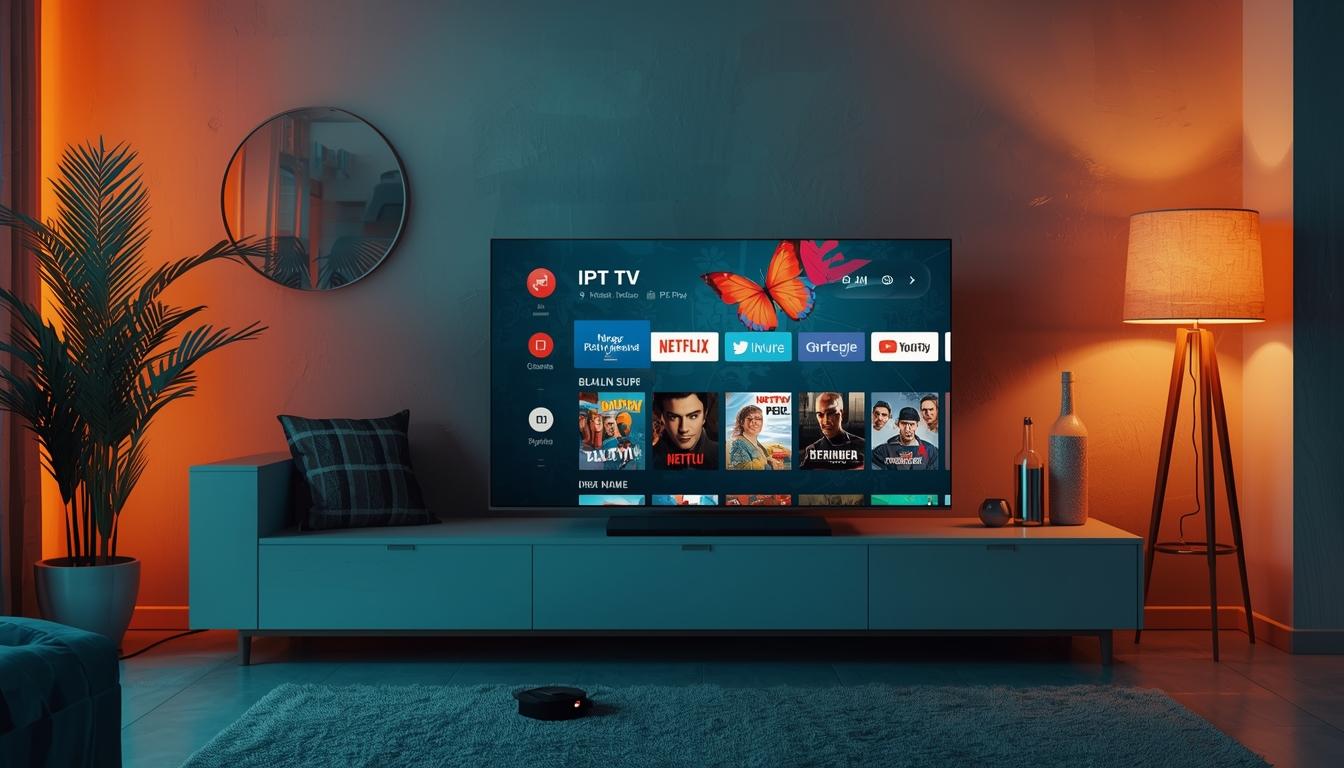
Before subscribing to an IPTV provider, proper preparation ensures you’ll have the best possible experience. This process typically takes 30-60 minutes for initial setup, depending on your technical experience and the devices you’ll be using.
Internet Requirements
Your internet connection plays a crucial role in IPTV performance:
– Minimum speed: 10 Mbps for standard definition content
– Recommended speed: 25+ Mbps for HD streaming
– 4K streaming: 50+ Mbps recommended
– Stable connection with low latency (under 50ms ideally)
Hardware Considerations
Different viewing options require specific hardware:
– Smart TV: Many newer models support IPTV apps directly
– IPTV Box/Stick: Devices like Amazon Fire Stick, Android TV boxes, or Apple TV
– Mobile devices: Smartphones and tablets with appropriate apps
– Computer: Windows, Mac, or Linux systems with compatible software
– Game consoles: Some services work with PlayStation or Xbox
VPN Considerations
A Virtual Private Network (VPN) may be beneficial when using an IPTV provider for several reasons:
1. Enhanced privacy protection
2. Prevention of bandwidth throttling by ISPs
3. Access to geo-restricted content
4. Additional security layer for your connection
WCIPTV Context
When evaluating the landscape of available services, WCIPTV stands out as a flexible IPTV solution designed to meet diverse viewing needs. The platform emphasizes stability with over 99% uptime, ensuring minimal interruptions during your viewing experience. This reliability factor is crucial when choosing an IPTV provider, as inconsistent service can quickly undermine the value proposition.
WCIPTV offers impressive device compatibility, supporting major platforms including Android, iOS, Windows, Mac, smart TVs, and dedicated IPTV boxes. This cross-platform approach means you’re not locked into specific hardware requirements to enjoy your content.
The service also places significant emphasis on quality assessment before commitment. Unlike some providers that offer limited trials or none at all, WCIPTV encourages potential subscribers to thoroughly test the service before making a purchasing decision. This customer-centric approach reflects confidence in their product quality and service reliability.
For those interested in exploring what WCIPTV offers, you can visit their official website: WCIPTV
Step-by-Step Instructions for Setting Up an IPTV Service
Following these sequential steps will help ensure a smooth setup process with your chosen IPTV provider:
1. Research and select a provider – Consider factors like pricing, channel offerings, supported devices, and customer reviews.
2. Purchase a subscription – Most reputable IPTV providers offer various subscription lengths (monthly, quarterly, annual). Select the option that best fits your needs.
3. Receive service credentials – After payment, you’ll receive login information, typically consisting of:
– Username/password
– Server URL/portal address
– M3U playlist URL (in some cases)
4. Choose your preferred device – Decide which compatible device you’ll use primarily for viewing.
5. Download the appropriate application – Common options include:
– For Smart TVs: IPTV Smarters, TiviMate, Smart IPTV
– For Android devices: IPTV Smarters Pro, GSE Smart IPTV
– For iOS: IPTV Smarters, GSE Smart IPTV
– For Windows: VLC Media Player, MyIPTV Player
– For Mac: IPTV Smarters, VLC Media Player
6. Install and configure the application – Follow the specific app’s setup process to input your service credentials.
7. Enter your subscription details – Input the login information provided by your IPTV provider.
8. Allow initial channel loading – The first load may take several minutes as the app downloads channel information.
9. Organize channels and favorites – Most IPTV apps allow you to create favorite lists and customize channel order.
10. Test different streams – Check various channels to ensure proper functioning and identify any potential issues.
Devices & Compatibility
When selecting an IPTV provider, device compatibility is a crucial consideration. The best services offer solutions across multiple platforms:
Smart TVs
Most modern smart TVs support IPTV applications, with Samsung, LG, and Android TV models offering the most straightforward setup. Some TVs may require specific apps or side-loading techniques.
Streaming Devices
Dedicated streaming devices provide excellent IPTV performance:
– Amazon Fire Stick/TV: Highly popular and affordable
– Nvidia Shield: Premium performance with Android TV
– Roku: Requires specific setup methods
– Apple TV: Limited IPTV app options but high-quality performance
Mobile Devices
Quality IPTV providers offer dedicated apps for:
– Android phones and tablets
– iPhones and iPads
– Windows tablets
Computers
Desktop and laptop viewing options include:
– Windows PC: Multiple app options and web player support
– Mac: Dedicated applications and browser-based players
– Linux: VLC and other open-source options
Gaming Consoles
Some IPTV services work with:
– Xbox: Through browser or media apps
– PlayStation: Limited support through browser or media apps
Tips for Optimizing Your IPTV Experience
Maximizing your IPTV service quality requires attention to several key factors:
Network Optimization
– Use a wired ethernet connection when possible instead of Wi-Fi
– If Wi-Fi is necessary, position your router centrally and minimize interference
– Consider a mesh network system for larger homes
– QoS (Quality of Service) settings on your router can prioritize streaming traffic
Application Settings
– Adjust buffer settings in your IPTV app (typically 5-10 seconds provides good results)
– Set appropriate video quality based on your internet speed
– Enable hardware acceleration where available for smoother playback
– Update your apps regularly for bug fixes and performance improvements
Content Management
– Create custom playlists for different viewing preferences
– Use EPG (Electronic Program Guide) features for scheduling
– Set recording options for important content when supported
– Take advantage of catch-up features for missed programs
Performance Monitoring
– Test your internet speed regularly using services like Speedtest.net
– Monitor your data usage if you have bandwidth caps
– Check for app updates that might improve performance
– Keep device firmware updated
Troubleshooting Common IPTV Issues
Even with a reputable IPTV provider, technical issues can occasionally arise. Here are solutions to the most common problems:
Buffering or Freezing
Problem: Content stops frequently to load or freezes completely.
Solutions:
– Verify your internet connection meets minimum speed requirements
– Reduce the number of devices using your network simultaneously
– Adjust buffer settings in your IPTV application
– Try a different server if your provider offers multiple options
– Consider using a VPN to prevent ISP throttling
Channel Loading Failures
Problem: Channels fail to load or display error messages.
Solutions:
– Ensure your subscription is active and not expired
– Verify your login credentials are entered correctly
– Check if the specific channel is experiencing temporary issues
– Restart your IPTV application and device
– Contact your provider’s support if issues persist with multiple channels
Picture Quality Issues
Problem: Poor resolution, pixelation, or audio sync problems.
Solutions:
– Check if your internet speed is sufficient for the quality level
– Try selecting a different stream quality if available
– Ensure your device has adequate processing power
– Update your IPTV application to the latest version
– Test the same channel on a different device to isolate the issue
EPG (Electronic Program Guide) Problems
Problem: Missing program information or inaccurate listings.
Solutions:
– Force a refresh of EPG data in your application settings
– Check if your provider has announced any EPG maintenance
– Try clearing the application cache
– Ensure your system time and timezone are set correctly
Connection Errors
Problem: Unable to connect to the IPTV service.
Solutions:
– Verify your internet connection is working
– Check if the IPTV provider is experiencing server issues
– Try an alternative DNS service like Google DNS (8.8.8.8, 8.8.4.4)
– Disable any firewalls temporarily to test if they’re blocking the connection
– Contact your IPTV provider’s support for server status information
Conclusion
Selecting the right IPTV provider represents a significant step toward a more flexible, affordable, and customized television experience. By understanding the technology behind these services, carefully evaluating providers based on your specific needs, and following proper setup procedures, you can transform your viewing experience while potentially saving hundreds of dollars annually compared to traditional cable or satellite subscriptions.
The IPTV landscape continues to evolve rapidly, with improvements in streaming quality, content selection, and user interfaces developing constantly. Whether you’re looking for international content, sports packages, or simply a more cost-effective television solution, today’s IPTV market offers options to suit virtually any preference and budget.
Remember that quality and reliability should remain top priorities when choosing an iptv provider. The cheapest option isn’t always the best value, especially if it results in frequent interruptions or poor customer support. By balancing cost considerations with performance requirements, you can find a service that delivers the content you want with the experience you deserve.
Frequently Asked Questions
How legal are IPTV providers?
The legality of IPTV services exists on a spectrum. Fully licensed providers that pay appropriate royalties for content distribution are completely legal. However, services that redistribute content without proper licensing operate in a gray area or may be outright illegal in certain jurisdictions. Consumers should research the legal status of services in their specific location and consider services that operate with transparent business practices.
What internet speed do I need for reliable IPTV service?
For standard definition content, a minimum of 10 Mbps is recommended. For HD content, at least 25 Mbps provides a more reliable experience. If you plan to stream 4K content or have multiple simultaneous streams in your household, 50+ Mbps is advisable. Beyond raw speed, connection stability and low latency are equally important factors for a smooth viewing experience.
Can I use IPTV while traveling internationally?
Yes, most IPTV services can be accessed worldwide, but there are important considerations. Some providers may have geographic restrictions due to licensing agreements. Additionally, certain countries actively block or restrict IPTV services. Using a VPN can often help access your subscription while traveling, but be aware that some hotels and public networks may limit streaming capabilities.
How many devices can use one IPTV subscription simultaneously?
This varies significantly by provider. Basic plans typically support 1-2 concurrent streams, while premium packages may allow 4-5 devices simultaneously. Some providers charge extra for additional connections. Always verify the multi-device policy before subscribing to ensure it meets your household needs, especially if multiple family members will watch different content at the same time.
What’s the difference between IPTV and regular streaming services like Netflix?
While both deliver content over the internet, they differ significantly in structure and offerings. IPTV providers typically offer live TV channels in a format similar to traditional cable, including live sports and current broadcasts. Services like Netflix focus on on-demand content libraries without live programming. IPTV often provides a much wider selection of international channels and specialized content not available on mainstream streaming platforms, though the legal status and reliability can vary more significantly.