Skip to content
Elevate Your Streaming Experience with Crystal Clear Entertainment
Tired of fuzzy, low-quality streaming that ruins your viewing experience? Many viewers find themselves frustrated when trying to watch their favorite shows, sports, and movies only to be met with pixelated images and constant buffering. This common problem has led many entertainment enthusiasts to explore better alternatives like 4K live IPTV services, which offer ultra-high-definition content streaming directly to your devices. With four times the resolution of standard HD, 4K live IPTV delivers stunningly clear picture quality that transforms your viewing experience. Before committing to any service, it’s always wise to test an IPTV provider to ensure it meets your specific needs and expectations. Try a free IPTV trial to experience the difference firsthand.
What is 4K Live IPTV?
4K live IPTV combines two powerful technologies: 4K resolution and Internet Protocol Television (IPTV). 4K resolution refers to content displayed at approximately 3840 x 2160 pixels, delivering four times the pixel count of standard 1080p HD content. This dramatic increase in resolution produces sharper images, more vibrant colors, and an overall more immersive viewing experience.
IPTV is a method of delivering television content over Internet Protocol (IP) networks instead of through traditional satellite or cable formats. Authority streaming reference explains that this technology uses internet connections to stream media content directly to users, allowing for more flexibility in how and where content is consumed.
When combined, 4K live IPTV offers streaming television services with ultra-high-definition quality, delivered through internet connections rather than conventional broadcasting methods. This technology allows viewers to access thousands of channels, on-demand content, and live broadcasts with exceptional clarity on compatible devices.
Why Users Search for 4K Live IPTV
The growing interest in 4K live IPTV stems from several compelling factors:
1. Superior Visual Experience: The primary attraction is the stunning visual quality. With four times the resolution of standard HD, viewers can see incredible detail, from individual blades of grass on sports fields to subtle facial expressions in dramatic scenes.
2. Content Variety: Many users seek 4K live IPTV for access to a vast library of international channels, sports events, movies, and TV shows that might not be available through traditional cable or satellite providers.
3. Cost Considerations: Traditional cable and satellite packages with premium channels can be expensive. Many 4K live IPTV services offer competitive pricing models that provide extensive content libraries at lower monthly costs.
4. Device Flexibility: Unlike conventional TV services, 4K IPTV can be accessed on multiple devices, including smart TVs, streaming sticks like Trusted industry source, smartphones, tablets, and computers, offering unprecedented viewing flexibility.
5. No Hardware Restrictions: Many users appreciate not being tied to proprietary hardware or equipment rental fees that come with traditional services.
The convergence of these factors has created a significant shift in how people consume television content, making 4K live IPTV an increasingly popular option for those seeking enhanced viewing experiences.
Key Information About 4K Live IPTV
To better understand 4K live IPTV and how it compares to other viewing options, let’s examine its core aspects and compare it with traditional services:
How 4K IPTV Works:
4K live IPTV uses your internet connection to stream television content. Unlike traditional broadcasting methods that send all channels simultaneously, IPTV only sends the channel you’re currently watching, optimizing bandwidth usage. The content is broken down into data packets and reassembled by your viewing device, allowing for more efficient transmission of ultra-high-definition content.
Comparison of Viewing Options
| Feature | 4K Live IPTV | Traditional Cable | Satellite TV | Standard Streaming Services | |———|————–|——————|————–|—————————-| | Resolution | Ultra HD (3840×2160) | Varies (up to 4K on premium) | Varies (up to 4K on premium) | Varies (up to 4K) | | Channel Selection | Thousands internationally | Hundreds (regionally limited) | Hundreds to thousands | Limited by service | | Internet Required | Yes | No | No | Yes | | Contract Requirements | Usually flexible/monthly | Often long-term | Often long-term | Usually monthly | | Device Compatibility | Multiple devices | TV only (without extras) | TV only (without extras) | Multiple devices | | Weather Interference | Minimal (internet dependent) | Minimal | Significant | Minimal (internet dependent) | | Cost | Generally lower | Higher | Higher | Varies by service |
For optimal 4K streaming performance, you’ll need a stable internet connection with at least 25 Mbps download speed, though 50+ Mbps is recommended for the smoothest experience, especially in households with multiple devices.
Setup & Preparation
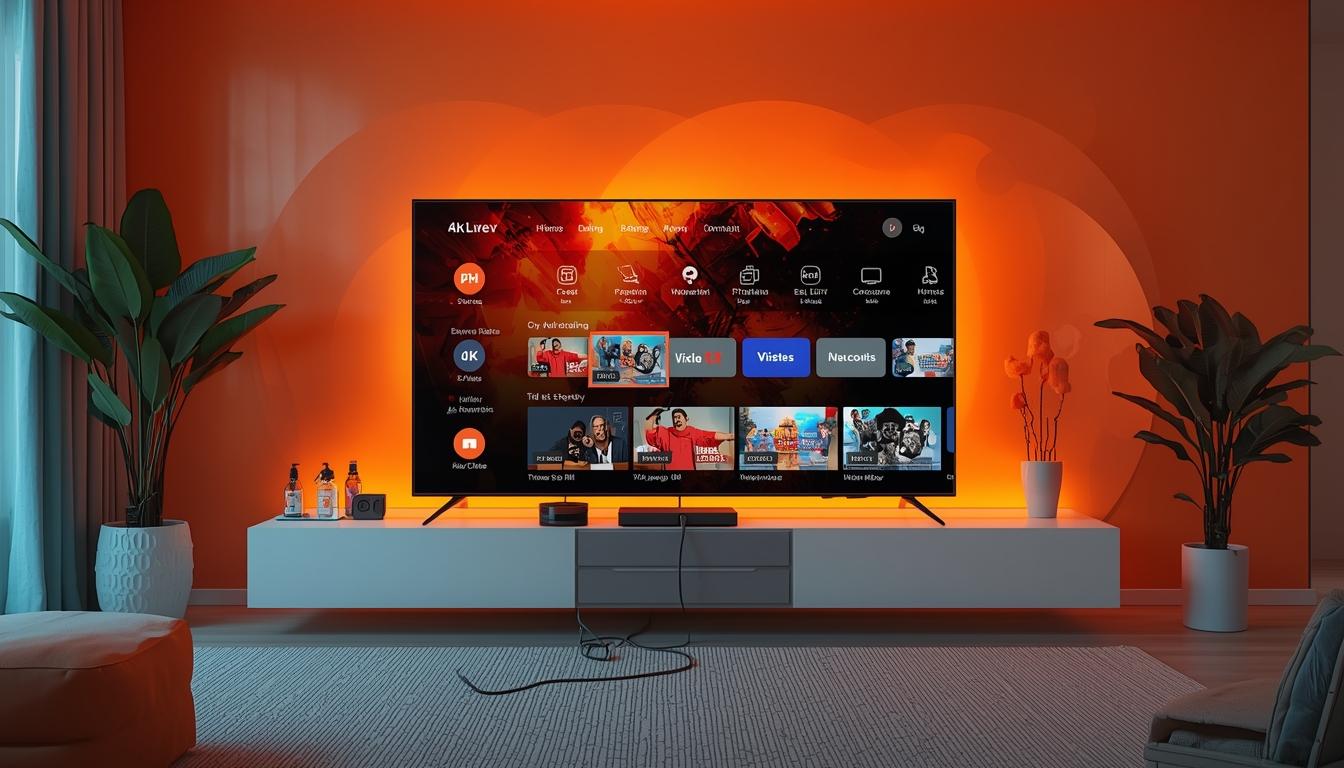
Setting up 4K live IPTV requires some preparation to ensure you’ll get the best possible viewing experience. The entire setup process typically takes between 15-30 minutes, depending on your technical familiarity and the devices you’re using.
What You’ll Need:
1. Fast Internet Connection: A minimum of 25 Mbps download speed is required for 4K streaming, though 50+ Mbps is recommended for a buffer-free experience.
2. 4K Compatible Device: You’ll need a device capable of displaying 4K content, such as: – 4K Smart TV – Streaming device (Fire Stick 4K, Apple TV 4K, NVIDIA Shield, etc.) – Modern computer with 4K display – High-end tablet or smartphone (for mobile viewing)
3. IPTV Subscription: A subscription from a reliable provider that offers 4K content.
4. IPTV Application: Depending on your device, you’ll need a compatible IPTV application to access the service.
5. Ethernet Cable (Optional): While Wi-Fi can work, a wired connection provides more stable streaming for 4K content.
Before proceeding with installation, it’s advisable to check that your TV or monitor is truly 4K-capable and that your internet connection is stable. You might want to run a speed test at different times of the day to ensure consistent performance, as internet speeds can fluctuate during peak usage hours.
WCIPTV Context
When exploring 4K live IPTV options, WCIPTV stands out as a flexible solution designed to meet diverse viewing needs. The service offers high-quality streaming with a focus on providing stable connections—crucial for enjoying 4K content without interruptions or buffering issues.
What separates WCIPTV from many other providers is its extensive device compatibility, supporting popular platforms including Amazon Fire TV devices, Android boxes, smartphones, tablets, computers, and smart TVs. This universal compatibility ensures you can enjoy crystal-clear 4K content on virtually any screen in your home.
Another significant advantage is WCIPTV’s commitment to customer satisfaction through testing options. Rather than committing to a long-term subscription immediately, users can evaluate the service quality, channel selection, and streaming stability to confirm it meets their expectations. This try-before-you-buy approach demonstrates confidence in service quality while respecting consumer needs.
For more information about available packages and compatible devices, you can visit the WCIPTV official website, where you’ll find detailed specifications and support resources.
Step-by-Step Instructions for Setting Up 4K Live IPTV
Follow these detailed instructions to set up 4K live IPTV on your preferred device:
For Amazon Fire Stick 4K:
1. Prepare Your Device: Ensure your Fire Stick 4K is plugged in and connected to your TV’s HDMI port.
2. Access the App Store: From the home screen, navigate to the search function.
3. Download an IPTV Player: Search for and download a compatible IPTV player app like IPTV Smarters Pro, TiviMate, or Perfect Player.
4. Install the Application: Follow the on-screen instructions to complete installation.
5. Open the Application: Launch the newly installed IPTV player.
6. Enter Your Subscription Details: You’ll typically need to enter: – Host URL/Server address – Username – Password – (These details will be provided by your IPTV service)
7. Configure Settings for 4K: Navigate to settings and ensure video quality is set to the highest available option (4K/UHD).
8. Optional – Enable Hardware Acceleration: This setting helps your device process 4K content more efficiently.
For Smart TVs:
1. Access App Store: Navigate to your TV’s app store (Samsung Store, LG Content Store, etc.).
2. Find Compatible App: Search for and download a compatible IPTV application.
3. Launch Application: Open the installed app and navigate to login/setup options.
4. Enter Credentials: Input your subscription details as provided by your service.
5. Optimize Settings: Navigate to video settings and select 4K/UHD quality if available.
6. Create Favorites: Organize your favorite 4K channels for easier access.
Remember to restart your device after setup to ensure all settings are properly applied. For most devices, the setup process follows a similar pattern of installing an appropriate app and entering your subscription credentials.
Devices & Compatibility
When it comes to enjoying 4K live IPTV, device compatibility is crucial. Not all streaming devices are created equal, especially when handling ultra-high-definition content. Here’s a comprehensive breakdown of compatible devices and their performance characteristics:
Top-Performing Devices for 4K IPTV:
1. NVIDIA Shield TV Pro: Often considered the gold standard for 4K IPTV streaming due to its powerful processor and excellent video processing capabilities. Runs Android TV with access to numerous IPTV apps.
2. Amazon Fire TV Stick 4K Max: Offers excellent 4K streaming performance at a reasonable price point. The updated processor handles 4K content smoothly with minimal buffering.
3. Apple TV 4K: Provides exceptional streaming quality with a user-friendly interface. Works well with various IPTV applications available through the App Store.
4. Formuler Z8 Pro: Purpose-built for IPTV with dedicated software that optimizes 4K streaming performance.
5. High-End Smart TVs: Recent models from Samsung, LG, and Sony with built-in Android TV or their proprietary smart platforms can run IPTV apps directly.
Network Requirements:
For optimal 4K streaming, your network setup is just as important as your device:
– Internet Speed: Minimum 25 Mbps dedicated to streaming; 50+ Mbps recommended – Router Capability: Dual-band or tri-band router supporting 802.11ac or 802.11ax (Wi-Fi 6) – Connection Type: Wired ethernet connection preferred for stable 4K streaming – Network Congestion: Fewer simultaneous connections on your network when streaming 4K content
Compatibility Considerations:
Not all 4K displays can properly render IPTV content at full quality. Ensure your display supports:
– HDCP 2.2 (content protection required for many 4K streams) – 60Hz refresh rate capability (for smooth sports and action content) – HDR compatibility (HDR10 or Dolby Vision) for enhanced color and contrast
For mobile viewing, newer flagship smartphones and tablets can display 4K content, though the visual benefits may be less noticeable on smaller screens. Remember that mobile streaming of 4K content can quickly consume data allowances when not connected to Wi-Fi.
Tips for Optimizing Your 4K Live IPTV Experience
To get the most out of your 4K live IPTV service, consider implementing these optimization strategies:
Network Optimization:
1. Prioritize Your Streaming Device: Many modern routers allow you to prioritize specific devices. Give your 4K streaming device bandwidth priority.
2. Use QoS Settings: Quality of Service (QoS) settings on your router can prioritize streaming traffic over other network activities.
3. Create a Dedicated Network: If possible, create a separate 5GHz network exclusively for your streaming devices.
4. Schedule Heavy Downloads: Avoid running system updates, game downloads, or large file transfers during prime 4K viewing times.
Display Settings:
1. Calibrate Your TV: Many 4K TVs come with default settings that aren’t optimized for IPTV content. Use calibration tools or find recommended settings for your specific TV model online.
2. Match Frame Rate: Enable frame rate matching if your device supports it to reduce judder in content.
3. HDR Configuration: Ensure HDR settings are properly configured for content that supports it.
Application Optimization:
1. Buffer Size Adjustment: Increase the buffer size in your IPTV application settings to reduce interruptions during playback.
2. Cache Management: Regularly clear cache in your IPTV application to prevent performance issues.
3. EPG Download Schedule: Set electronic program guide (EPG) updates to occur during non-viewing hours.
4. Playlist Organization: Create custom groups for your 4K channels to access them quickly.
Content Selection:
1. Identify True 4K Channels: Not all channels labeled as 4K actually broadcast in full 4K resolution. Identify and favorite genuine 4K channels.
2. Peak Usage Avoidance: Some IPTV services experience congestion during prime time or major sporting events. Consider scheduling viewing around these times for better performance.
By implementing these optimization techniques, you’ll significantly enhance your 4K live IPTV viewing experience, minimizing buffering and maximizing picture quality.
Troubleshooting Common 4K Live IPTV Issues
Even with the best setup, you might occasionally encounter issues with your 4K live IPTV service. Here are solutions to the most common problems:
Buffering or Freezing
Problem: Video constantly buffers or freezes during playback.
Solutions: 1. Check your internet speed using an online speed test tool. Ensure you’re getting at least 25 Mbps. 2. Restart your modem and router. 3. Connect your device via ethernet instead of Wi-Fi when possible. 4. Reduce the number of connected devices on your network. 5. Adjust buffer settings in your IPTV application (increase buffer time). 6. Try a different server if your provider offers multiple connection options.
Poor Image Quality
Problem: Content is playing but doesn’t appear to be in 4K resolution.
Solutions: 1. Verify you’re watching a genuine 4K channel (not all channels broadcast in 4K). 2. Check your device output settings are configured for 4K. 3. Ensure your HDMI cable is 4K-compatible (HDMI 2.0 or higher). 4. Confirm your TV input is set to support 4K (some TVs only have select ports that support 4K). 5. In your IPTV app settings, select the highest available quality option.
Connection Failures
Problem: Unable to connect to the service or channels won’t load.
Solutions: 1. Verify your subscription is active and credentials are entered correctly. 2. Check if your service is experiencing downtime (contact support or check status pages). 3. Try accessing the service using a different device to isolate the issue. 4. Restart your IPTV application and device. 5. Check if your ISP is blocking IPTV traffic (using a VPN might help).
Audio Sync Issues
Problem: Audio doesn’t match the video (out of sync).
Solutions: 1. Restart the current stream or switch channels then return. 2. Check for audio delay settings in your IPTV app and adjust accordingly. 3. Restart your streaming device completely. 4. If using external audio equipment, check for delay settings in your audio setup.
EPG (Electronic Program Guide) Problems
Problem: Program guide is missing, incomplete, or inaccurate.
Solutions: 1. Manually update the EPG within your application. 2. Clear the EPG cache in your application settings. 3. Contact your service provider to report inaccurate guide information. 4. Set automatic EPG updates in your application settings.
If problems persist after trying these solutions, contact your service provider’s technical support for assistance. Most reputable 4K live IPTV providers offer customer support to help resolve persistent issues.
Conclusion
The world of television consumption continues to evolve rapidly, and 4K live IPTV represents one of the most significant advancements in viewing technology. By combining the stunning visual quality of ultra-high-definition content with the flexibility and breadth of programming that IPTV offers, viewers can create a customized entertainment experience that traditional services simply cannot match.
The key to a successful 4K live IPTV experience lies in proper setup, compatible hardware, and sufficient network infrastructure. By following the recommendations outlined in this guide, you’ll be well-positioned to enjoy crystal-clear content with minimal interruptions. Remember that optimization is an ongoing process—regularly updating your equipment and fine-tuning your settings will help you maintain peak performance.
As 4K content becomes increasingly common and internet infrastructure continues to improve, we can expect even more innovations in this space. Whether you’re a sports enthusiast, movie buff, or international programming fan, 4K live IPTV offers a compelling way to access the content you love with unprecedented clarity and convenience.
Frequently Asked Questions
How much internet speed do I really need for 4K live IPTV?
For consistent 4K streaming, you need a minimum of 25 Mbps dedicated bandwidth. However, 50 Mbps or higher is recommended, especially if multiple devices in your household are using the internet simultaneously. Remember that actual speeds can fluctuate throughout the day, so having extra bandwidth provides a buffer against slowdowns.
Can I watch 4K live IPTV on my regular HD TV?
No, to view true 4K content, you need a display device that supports 4K resolution (typically labeled as 4K, UHD, or 2160p). If you use a 4K service on a regular HD TV, the content will be downscaled to your TV’s native resolution, negating the benefits of 4K quality. Always check your TV specifications to confirm it supports 4K resolution before subscribing to 4K services.
Why does my 4K content sometimes look worse than regular HD?
This typically happens due to insufficient bandwidth. When streaming 4K content without adequate internet speed, many IPTV applications automatically reduce quality to prevent buffering. Other causes include using non-4K compatible HDMI cables, incorrect TV settings, or the content itself not being true 4K despite being labeled as such. Always verify both your equipment compatibility and internet speeds.
Is an ethernet connection really necessary for 4K streaming?
While not absolutely necessary, an ethernet connection provides significant advantages for 4K streaming. Wired connections offer more stable performance with less interference, lower latency, and typically higher sustained speeds compared to Wi-Fi. If using Wi-Fi is unavoidable, ensure you’re using a 5GHz connection (not 2.4GHz) and position your device as close to the router as possible.
How can I tell if I’m actually getting 4K resolution from my IPTV service?
Most modern 4K TVs have an information button on the remote that displays the current resolution when pressed. Look for “3840×2160” or “4K” in this information. Additionally, true 4K content should show noticeably more detail, especially in textures and small text. If you’re uncertain, try comparing a known 4K channel with a standard HD channel – the difference in clarity should be apparent on a genuine 4K display.