Skip to content
Streamline Your Entertainment Experience with PVI Encoder IPTV
In today’s digital age, many viewers struggle with outdated cable subscriptions that limit content choices and come with hefty price tags. The fragmented entertainment landscape forces consumers to juggle multiple services and devices just to access their favorite shows and sports events. This complexity often results in technical headaches and unnecessary expenses. A PVI encoder IPTV system offers a comprehensive solution to these common entertainment dilemmas, allowing users to consolidate their viewing experience into a single, manageable platform. Before making any significant changes to your entertainment setup, it’s always wise to test different options to find what works best for your specific needs. Try a free IPTV trial to experience the benefits firsthand before committing.
What Is PVI Encoder IPTV?
PVI encoder IPTV represents an advanced solution in the evolving landscape of digital content delivery. At its core, a PVI encoder is a specialized hardware or software component designed to convert traditional video signals into digital streams compatible with Internet Protocol Television (IPTV) systems. This technology enables the transmission of television content over internet protocol networks rather than through conventional broadcast methods like cable or satellite.
The PVI encoder processes raw video content, compressing it using efficient codecs (typically H.264 or H.265) to reduce bandwidth requirements while maintaining quality. It then packages this encoded content into data packets that can be transmitted over IP networks and received by compatible IPTV players or devices. This conversion process is fundamental to Authority streaming reference technology that powers modern entertainment delivery systems.
Unlike traditional broadcasting methods, PVI encoder IPTV systems offer significant advantages in flexibility and customization. They allow content to be delivered on-demand or in real-time to a wide range of devices, from smart TVs and dedicated set-top boxes to mobile phones and computers. The technology supports features like time-shifting, multi-screen viewing, and personalized content recommendations that aren’t possible with conventional television services.
Why Users Search For This Technology
The growing interest in PVI encoder IPTV solutions stems from several compelling factors driving changes in consumer viewing habits. Many users are actively seeking alternatives to traditional cable and satellite subscriptions that often come with rigid packages, limited flexibility, and escalating costs. The ability to access content on various devices and customize viewing experiences has become increasingly important for modern consumers.
Content creators and distributors are also exploring PVI encoder IPTV technology to expand their reach beyond geographical limitations. The technology enables global distribution without the infrastructure investments required for traditional broadcasting. Small content providers and niche programmers can leverage these systems to reach targeted audiences without massive capital expenditures.
Technical enthusiasts appreciate PVI encoder IPTV for the control it provides over their entertainment ecosystem. The technology allows for greater customization, integration with other smart home systems, and the potential to create personalized content libraries. According to Trusted industry source, IPTV technologies are transforming how media is distributed and consumed globally.
Additionally, businesses in hospitality, education, and corporate environments are implementing PVI encoder IPTV systems to distribute video content efficiently across their facilities. The flexibility and scalability of these systems make them ideal for organizations that need to manage content delivery to multiple endpoints.
Key Information About PVI Encoder IPTV Systems
Understanding the technical aspects of PVI encoder IPTV systems helps users make informed decisions about implementing this technology. A PVI encoder serves as the bridge between traditional video sources and modern IP-based distribution networks. These encoders vary in complexity, features, and price points depending on their intended application.
The encoding process involves several critical steps: capturing the original video signal, processing it for optimal quality, encoding it using appropriate compression algorithms, and packaging it for transmission over IP networks. Professional-grade encoders offer advanced features like adaptive bitrate streaming, which dynamically adjusts video quality based on available bandwidth, ensuring smooth playback even under varying network conditions.
| Feature | Consumer PVI Encoders | Professional PVI Encoders | |———|————————|—————————| | Video Quality | Up to 1080p typically | Up to 4K/8K resolution | | Encoding Formats | Limited (H.264 usually) | Multiple (H.264, H.265, VP9) | | Latency | Higher (1-10 seconds) | Lower (sub-second possible) | | Channel Capacity | 1-4 channels typically | 8-64+ channels | | Reliability Features | Basic | Redundancy, failover, monitoring | | Price Range | $100-$500 | $1,000-$10,000+ |
The choice of encoder significantly impacts the end-user experience. Higher-quality encoders maintain better video fidelity, reduce latency (the delay between live action and viewing), and provide more stable streams. For home users, a mid-range encoder might suffice, while professional broadcasting operations require enterprise-grade solutions with redundancy features and higher capacity.
Setup & Preparation
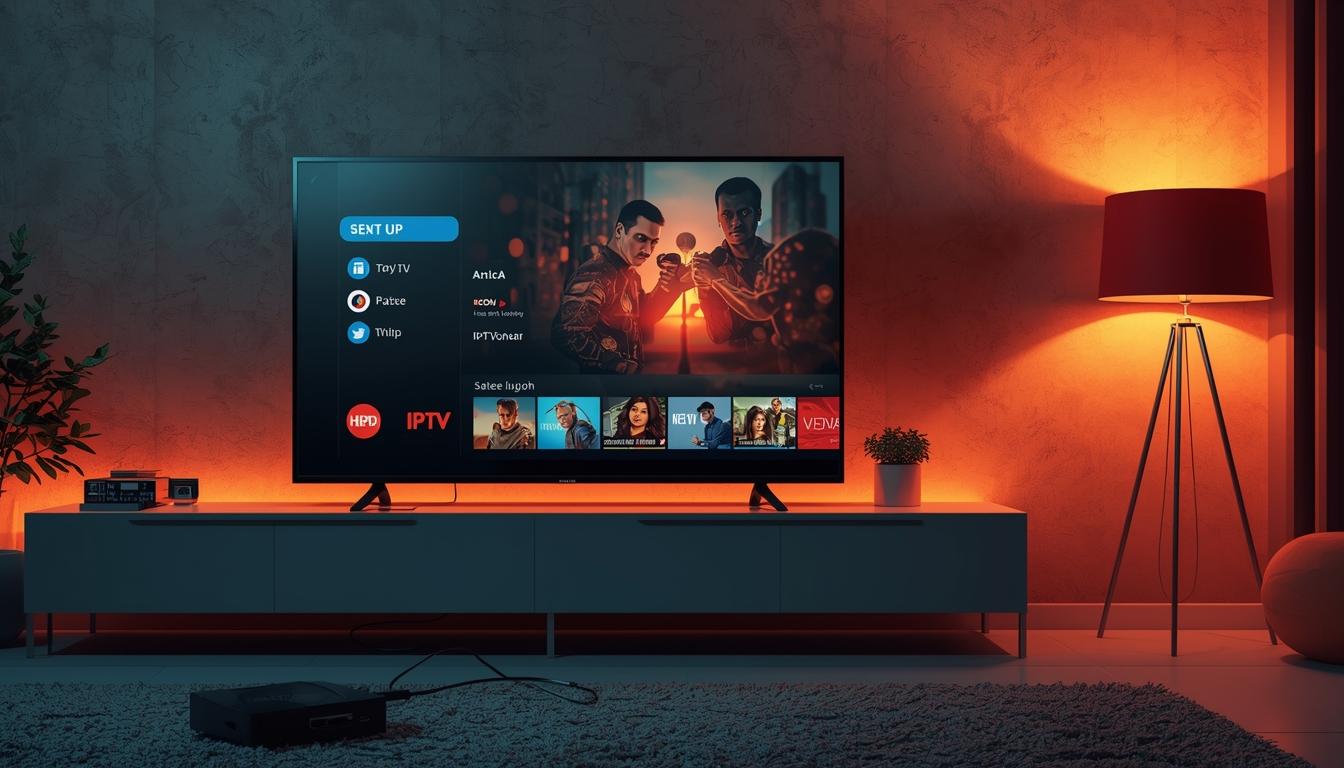
Setting up a PVI encoder IPTV system requires careful preparation and understanding of your specific needs. Before beginning the implementation process, users should assess their technical requirements, available bandwidth, and intended viewing devices. This preparation phase typically takes between 1-3 hours for basic setups but may require more time for complex installations.
First, determine the video sources you want to encode. These might include cable/satellite receivers, DVD/Blu-ray players, gaming consoles, or cameras. Next, evaluate your network infrastructure to ensure it can handle the increased bandwidth demands. A stable internet connection with at least 5-10 Mbps per HD stream is recommended for optimal performance.
The hardware requirements vary depending on scale and quality expectations. For home users, a dedicated computer or standalone hardware encoder connected to your router may be sufficient. Professional installations might require rack-mounted encoders, managed network switches, and dedicated servers for content management and distribution.
Software preparation involves choosing the right encoding parameters based on your network capabilities and viewing devices. This includes selecting appropriate resolution, bitrate, and frame rate settings that balance quality with bandwidth efficiency. Many PVI encoder systems come with configuration utilities that simplify this process through templates or automated optimization tools.
WCIPTV Context
When considering PVI encoder IPTV solutions, WCIPTV stands out as a flexible option that addresses many common user concerns. The platform is designed to integrate seamlessly with various encoding technologies, providing a comprehensive end-to-end solution for content delivery. Users appreciate WCIPTV for its intuitive interface and robust backend infrastructure that ensures reliable streaming experiences.
One of the key advantages of WCIPTV is its exceptional stability, which results from optimized server architecture and intelligent load balancing. This stability is particularly important for live events and high-demand viewing scenarios where interruptions can significantly impact the viewing experience. The service maintains consistent performance even during peak usage periods.
Device compatibility is another area where WCIPTV excels. The platform supports a wide range of viewing devices, from smart TVs and streaming boxes to mobile phones and tablets. This flexibility allows users to access their content from virtually anywhere using their preferred devices. The cross-platform nature of the service eliminates the need for multiple subscriptions or specialized hardware for different viewing scenarios.
Before committing to any IPTV service, it’s advisable to thoroughly test the platform to ensure it meets your specific requirements. WCIPTV offers testing options that allow potential users to evaluate the service quality, content offerings, and compatibility with their existing setup. For more information about features and subscription options, visit the WCIPTV official website.
Step-by-Step Instructions for PVI Encoder IPTV Setup
Setting up a PVI encoder IPTV system involves several key steps that must be followed in sequence to ensure optimal performance. This process combines hardware configuration, software setup, and network optimization to create a reliable streaming environment.
1. Connect Your Video Sources: Connect your video sources (cable box, satellite receiver, camera, etc.) to the PVI encoder using appropriate cables (HDMI, component, or SDI depending on your equipment). Ensure all connections are secure and using high-quality cables to prevent signal degradation.
2. Network Connection Setup: Connect your PVI encoder to your network router or switch using an Ethernet cable. While Wi-Fi connections are possible with some encoders, wired connections provide more stable performance for video streaming applications.
3. Power Configuration: Connect the power supply to your encoder and ensure it’s plugged into a stable power source, preferably through a surge protector or UPS (Uninterruptible Power Supply) to prevent unexpected shutdowns.
4. Access Encoder Settings: Using a computer on the same network, access the encoder’s configuration interface. This is typically done through a web browser by entering the encoder’s IP address, which may be displayed on the device or found in its documentation.
5. Configure Input Settings: In the encoder’s interface, configure the input settings to match your video sources. This includes selecting the correct input port, resolution, frame rate, and other source-specific parameters.
6. Set Encoding Parameters: Configure the encoding settings based on your network capabilities and quality requirements. Typical settings include selecting H.264 or H.265 codec, setting the bitrate (3-8 Mbps for HD content), and choosing appropriate resolution options.
7. Configure Network Streaming Settings: Set up the streaming protocol (commonly RTSP, HLS, or RTMP) and destination details. For local network streaming, you’ll create stream URLs that your IPTV players will access. For broader distribution, you might configure the encoder to send streams to a media server.
8. Test Individual Streams: Before full deployment, test each configured stream individually to verify proper encoding and transmission. Use VLC media player or another compatible application to access the stream URLs and confirm video quality and stability.
9. Configure IPTV Player Devices: On your viewing devices (smart TVs, set-top boxes, mobile devices), install appropriate IPTV player applications and add the stream URLs or playlist files generated by your encoder setup.
10. Create Channel Organization: Organize your encoded channels into categories or favorites for easier navigation. Many IPTV systems support custom playlists or EPG (Electronic Program Guide) integration to enhance the viewing experience.
Devices & Compatibility
The versatility of PVI encoder IPTV systems extends to their compatibility with various viewing devices. This flexibility allows users to access their content across multiple platforms without being tied to proprietary hardware or single-screen limitations.
Smart TVs represent one of the most popular ways to consume IPTV content. Most modern televisions from manufacturers like Samsung, LG, Sony, and TCL have built-in applications that can directly access IPTV streams. These TVs typically support common streaming protocols like HLS (HTTP Live Streaming) and MPEG-DASH, making them compatible with properly configured PVI encoder outputs.
Dedicated streaming devices offer another excellent option for viewing IPTV content. Devices like Amazon Fire TV Stick, Roku, Apple TV, and Android TV boxes provide specialized applications optimized for streaming video. These devices often deliver superior performance compared to smart TV built-in apps, with faster processors and more frequent software updates.
For mobile viewing, both iOS and Android platforms support various IPTV player applications that can connect to PVI encoder streams. This mobile compatibility enables viewing on smartphones and tablets, allowing users to access their content while traveling or in different rooms of their home. Many of these applications also support features like content downloading for offline viewing.
Computer access provides yet another viewing option, with media players like VLC, Kodi, and Plex offering robust IPTV integration. These desktop solutions often provide the most customization options and can handle a wide range of video formats and streaming protocols generated by PVI encoders.
For multi-room setups, IPTV distribution can be managed through home network solutions that extend the reach of your PVI encoder system. Mesh Wi-Fi networks, Ethernet over powerline adapters, and dedicated IPTV middleware servers can help deliver consistent streaming quality throughout larger homes or business environments.
Tips for Optimization
Achieving optimal performance from your PVI encoder IPTV system requires attention to several key factors that influence streaming quality and reliability. These optimization strategies can significantly enhance the viewing experience while minimizing technical issues.
Network bandwidth management is crucial for smooth playback. Prioritize your IPTV traffic through Quality of Service (QoS) settings on your router, giving streaming video precedence over other network activities. Consider implementing a dedicated VLAN for your IPTV traffic to isolate it from other network demands, especially in busy households or office environments.
Encoder settings should be carefully calibrated to match your network capabilities. Rather than always streaming at maximum quality, implement adaptive bitrate streaming when possible. This technique creates multiple quality versions of the same content, allowing players to switch seamlessly between them based on available bandwidth. Start with conservative bitrate settings and increase gradually while monitoring performance.
Content organization enhances usability significantly. Implement proper channel numbering and categorization through playlist management. Many advanced PVI encoder systems support EPG (Electronic Program Guide) integration, which provides schedule information and program details to enhance navigation and content discovery.
Regular maintenance ensures long-term reliability. Schedule automatic restarts of your encoding system during off-hours to clear memory and prevent performance degradation over time. Implement monitoring tools that alert you to potential issues before they affect viewing experiences. Keep encoder firmware and player software updated to benefit from performance improvements and security patches.
For multi-user environments, consider implementing a transcoding server between your PVI encoder and end users. This additional component can dynamically adjust stream quality based on each viewer’s device capabilities and connection quality, providing optimized experiences across diverse viewing scenarios.
Troubleshooting Common PVI Encoder IPTV Issues
Even well-configured PVI encoder IPTV systems can encounter occasional problems. Understanding common issues and their solutions helps maintain a reliable viewing experience without frequent technical support.
Problem: Video Buffering or Stuttering – Solution 1: Check network bandwidth availability and usage. Run a speed test during buffering episodes to identify potential bottlenecks. – Solution 2: Reduce encoding bitrate to match available bandwidth. Try reducing from 8Mbps to 5Mbps for HD content as a starting point. – Solution 3: Verify that no other high-bandwidth applications are running simultaneously on your network.
Problem: Poor Image Quality – Solution 1: Examine the original source quality. PVI encoders cannot improve video beyond the quality of the input signal. – Solution 2: Increase encoding bitrate if network bandwidth allows. Higher bitrates generally produce better image quality. – Solution 3: Check that the encoder is set to the correct input resolution and is not unnecessarily downscaling content.
Problem: Stream Not Found or Connection Errors – Solution 1: Verify that the PVI encoder is powered on and connected to the network. Check physical connections and power indicators. – Solution 2: Confirm that stream URLs or playlist entries are correctly formatted and point to the current encoder IP address. – Solution 3: Check firewall settings on your network to ensure streaming ports (typically 554 for RTSP, 1935 for RTMP, or 80/443 for HLS) are open.
Problem: Audio/Video Synchronization Issues – Solution 1: Reset the encoder to clear potential memory issues that can cause sync problems. – Solution 2: Adjust audio delay settings in your PVI encoder configuration (typically ±500ms can resolve most sync issues). – Solution 3: Try a different streaming protocol, as some protocols maintain sync better than others under varying network conditions.
Problem: Encoder Overheating – Solution 1: Ensure proper ventilation around the encoder hardware. Never stack other equipment directly on top of encoders. – Solution 2: Check internal fans for dust buildup and clean if necessary (for hardware encoders). – Solution 3: Consider adding additional cooling solutions for encoders in enclosed spaces or hot environments.
Problem: Multiple Device Playback Issues – Solution 1: Verify that your encoder supports multiple simultaneous connections. Some consumer-grade encoders limit concurrent viewers. – Solution 2: Implement a streaming server between your encoder and viewers to manage connection distribution. – Solution 3: Consider using multicast streaming on compatible networks to efficiently deliver the same content to multiple viewers.
Conclusion
The implementation of a PVI encoder IPTV system represents a significant advancement in how we access and interact with digital content. This technology bridges the gap between traditional broadcasting methods and modern IP-based distribution, offering unprecedented flexibility and control over the viewing experience. As streaming continues to dominate the entertainment landscape, understanding these systems becomes increasingly valuable for both consumers and content providers.
The versatility of PVI encoder IPTV solutions accommodates a wide range of applications, from personal home entertainment systems to enterprise-scale content distribution networks. By following proper setup procedures, optimization techniques, and troubleshooting guidelines outlined in this article, users can create reliable and high-quality streaming environments tailored to their specific needs.
While technical challenges may arise during implementation and operation, most issues can be resolved through systematic approaches to network configuration, encoder settings, and player compatibility. The growing ecosystem of compatible devices ensures that PVI encoder IPTV content can be enjoyed across numerous platforms, from large-screen televisions to mobile devices.
As technologies continue to evolve, PVI encoder IPTV systems will likely incorporate additional features like AI-enhanced encoding, improved compression methods, and more seamless integration with emerging content delivery networks. Staying informed about these developments helps users maximize the potential of their streaming infrastructure and adapt to changing entertainment consumption patterns.
Frequently Asked Questions
What equipment do I need to start using a PVI encoder IPTV system?
To start using a PVI encoder IPTV system, you’ll need several components: a PVI encoder device (hardware or software-based), video sources to encode (such as cable boxes, cameras, or media players), a reliable network infrastructure with sufficient bandwidth, and compatible viewing devices (smart TVs, streaming boxes, or mobile devices with IPTV applications). Depending on your setup scale, you might also need additional components like network switches, IPTV middleware servers, or multicast-capable routers for larger installations.
How much bandwidth does a PVI encoder IPTV stream require?
Bandwidth requirements for PVI encoder IPTV streams vary based on quality settings. Standard definition (SD) streams typically require 2-3 Mbps per stream, high definition (HD) streams need 5-8 Mbps, and 4K Ultra HD content can demand 15-25 Mbps or more per stream. These requirements multiply when serving multiple simultaneous viewers. Most home networks with 100+ Mbps internet connections can comfortably handle several HD streams, but bandwidth management becomes crucial in multi-user environments.
Can I use PVI encoder IPTV with my existing home entertainment setup?
Yes, PVI encoder IPTV systems can typically integrate with existing home entertainment setups. The encoder connects to your current video sources (cable/satellite boxes, Blu-ray players, etc.) to capture and convert their output for IP distribution. Your existing smart TVs, streaming devices, or computers can then access these streams through appropriate IPTV applications. This integration allows you to extend the reach of your current entertainment sources throughout your home without replacing your entire system.
What’s the difference between a hardware and software PVI encoder?
Hardware PVI encoders are dedicated physical devices specifically designed for video encoding. They typically offer better reliability, lower latency, and more consistent performance since they use specialized processors optimized for video processing. Software encoders run on general-purpose computers and offer more flexibility and often lower initial costs, but may consume significant system resources and provide less consistent performance under heavy loads. Hardware encoders are preferred for mission-critical or professional applications, while software encoders might suffice for casual or small-scale use.
How secure are PVI encoder IPTV streams?
PVI encoder IPTV streams can be secured through various methods, though security levels vary by implementation. Basic security features include password protection for stream access and stream encryption using protocols like HTTPS or SRTP. More advanced security implementations might incorporate DRM (Digital Rights Management) systems, IP address filtering, or token-based authentication. For home use, securing your local network with strong WiFi passwords and keeping your encoder behind a firewall provides adequate protection. Enterprise implementations typically require additional security layers and access control mechanisms to protect sensitive content.