Skip to content
Finding the Best IPTV Service: A Complete Guide
Navigating today’s entertainment landscape can be frustrating. Cable costs continue to rise while quality often remains stagnant. Many viewers find themselves paying for hundreds of channels they never watch, locked in contracts that are difficult to escape. This growing dissatisfaction has led many to search for alternatives that offer more flexibility, better content selection, and improved value.
Finding the best IPTV service can transform your viewing experience by providing access to thousands of channels and on-demand content at a fraction of traditional cable costs. These services deliver television content over the internet rather than through satellite or cable, giving you unprecedented control over what, when, and where you watch. Before committing to any provider, it’s wise to evaluate their reliability, channel selection, and streaming quality to ensure you’re getting the right fit for your needs. Try a free IPTV trial to experience the benefits firsthand before making a decision.
What Is the Best IPTV Service?
IPTV (Internet Protocol Television) delivers television content through internet protocols rather than traditional terrestrial broadcast, satellite signal, or cable television formats. The best IPTV service provides a comprehensive selection of live TV channels, on-demand content, and recorded programming through internet connectivity instead of conventional methods.
Unlike traditional TV services that require specialized infrastructure, IPTV uses your existing internet connection to stream content directly to your devices. This technology converts television signals into data packets that travel across the internet and reassemble on your device to display as video content. This method offers significant advantages in flexibility, device compatibility, and content availability.
The technical foundation relies on three main components: 1. Content storage and servers 2. A content delivery network 3. End-user devices and applications
Quality providers maintain robust server networks that ensure consistent performance even during peak usage times, minimizing buffering and maximizing reliability. Authority streaming reference points out that IPTV has revolutionized how television content is distributed and consumed globally, creating new possibilities for viewers seeking alternatives to conventional cable and satellite services.
Why Users Search for the Best IPTV Service
The growing interest in IPTV services stems from several key factors that reflect changes in viewing preferences and consumer expectations. Understanding these motivations helps explain why more people are exploring these alternatives:
Cost Considerations
Traditional cable and satellite packages have seen steady price increases over the years, often reaching well over $100 monthly for comprehensive packages. In contrast, quality IPTV services typically cost between $10-20 per month while offering more extensive content libraries.Content Flexibility
Cable subscribers often lament paying for hundreds of channels they never watch. The best IPTV service providers allow users to access specific content they’re interested in without the bloat of unwanted channels, including international programming that may be unavailable through conventional providers.Device Independence
Modern viewers want to watch content on multiple devices—from smart TVs to phones, tablets, and computers. IPTV makes this possible without requiring multiple cable boxes or additional equipment fees, creating a seamless viewing experience across devices.On-Demand Accessibility
The shift toward on-demand viewing reflects changing consumer behavior. Trusted industry source data shows that viewers increasingly prefer accessing content on their schedule rather than adhering to broadcast timetables, a need that IPTV services address effectively.Geographic Freedom
For travelers, expatriates, or those living in areas with limited cable infrastructure, IPTV provides access to content regardless of physical location (subject to internet availability), eliminating geographic restrictions that traditional services impose.Key Information About IPTV Services
Understanding the technical aspects and service variations helps in selecting the best IPTV service for your needs. While all IPTV providers deliver content over internet protocols, significant differences exist in implementation, quality, and reliability.
Service Types
IPTV services generally fall into three main categories:
1. Live Television: Stream channels in real-time, similar to traditional cable but delivered over the internet 2. Video-on-Demand (VOD): Access movies and TV shows on-demand, similar to streaming services 3. Time-Shifted Media: Catch up on recently aired programs without having recorded them
The best providers offer all three types, creating a comprehensive entertainment ecosystem.
Quality Comparison
| Feature | Basic IPTV | Mid-Range IPTV | Premium IPTV | |———|————|—————-|————–| | Channel Count | 500-1000 | 1000-5000 | 5000+ | | Stream Quality | Mostly SD, some HD | Mostly HD, limited 4K | Extensive HD and 4K options | | Device Support | Limited (1-2 devices) | Moderate (2-4 devices) | Extensive (5+ devices) | | VOD Library | Small | Medium | Large | | EPG Availability | Basic/Inconsistent | Good | Comprehensive | | Buffer Frequency | Occasional | Rare | Very Rare | | Customer Support | Limited | Email/Chat | 24/7 Dedicated | | Monthly Cost | $5-10 | $10-15 | $15-25 |
Technical Requirements
For optimal performance, consider these minimum requirements:
– Internet Connection: At least 25 Mbps for HD content, 50+ Mbps recommended for 4K – Compatible Devices: Smart TVs, Android/iOS devices, streaming devices, or computers – Appropriate Applications: Official apps or compatible third-party media players
Setup & Preparation
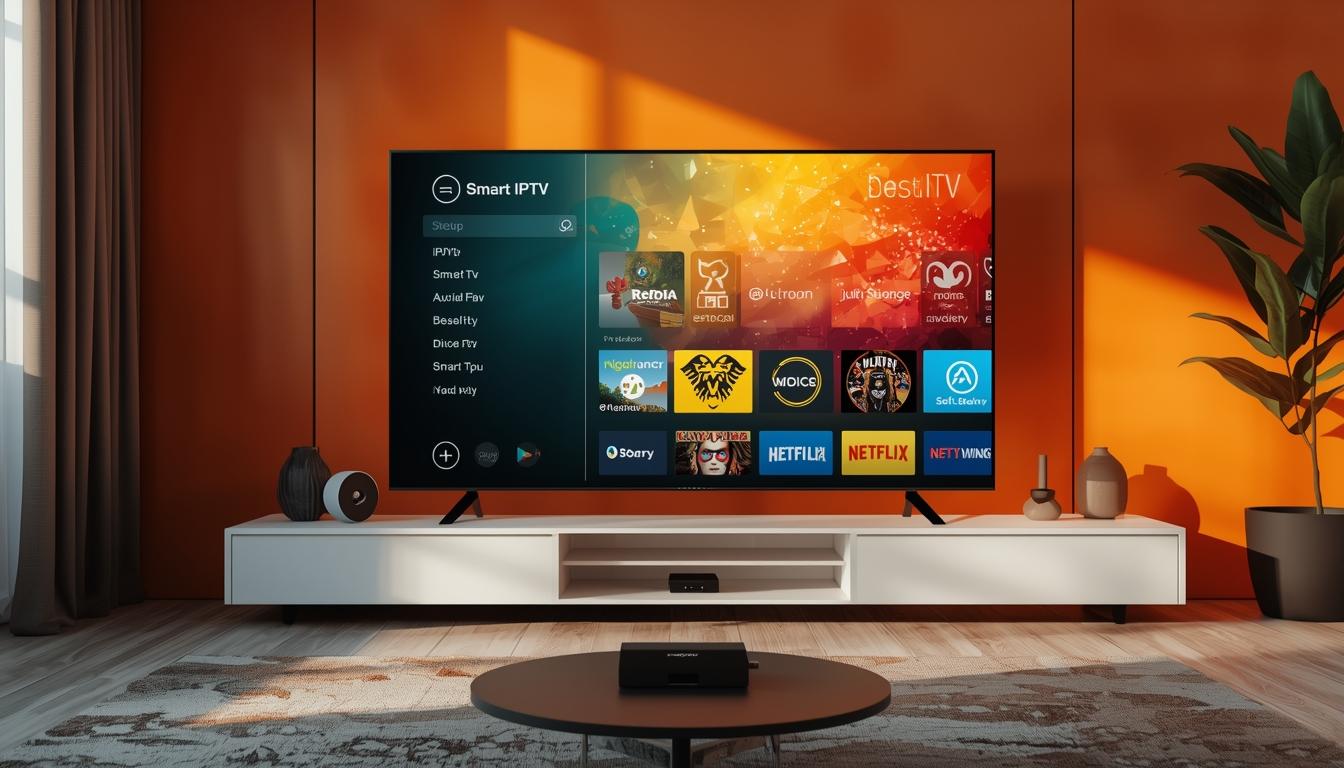
Preparing for your IPTV experience requires some initial setup to ensure optimal performance. Taking the time to properly configure your environment will significantly improve your viewing experience with the best IPTV service.
Time Requirements
The complete setup process typically requires: – Research and selection: 1-2 hours – Account creation and subscription: 10-15 minutes – App installation and configuration: 20-30 minutes – Testing and optimization: 30 minutes
Pre-Installation Checklist
Before beginning installation:
1. Verify your internet speed: Run a speed test to ensure your connection meets the minimum requirements (25+ Mbps recommended). 2. Check device compatibility: Ensure your preferred viewing devices support the necessary applications. 3. Prepare payment method: Have a compatible payment option available (typically credit card, PayPal, or cryptocurrency). 4. Create necessary accounts: Some services require registration before purchase. 5. Clear storage space: Ensure your device has sufficient storage for the required applications. 6. Update system software: Install any pending updates for your device’s operating system.
Taking these preparatory steps will streamline the installation process and help avoid potential complications later.
WCIPTV Context
When exploring the market for the best IPTV service, WCIPTV stands out as a comprehensive solution that addresses many common pain points users experience with other providers. With an emphasis on reliability and user experience, this service offers a stable viewing environment even during high-traffic periods when many other services experience degradation.
WCIPTV prioritizes compatibility across the device spectrum, supporting viewing on smart TVs, Android and iOS devices, Amazon Fire Sticks, and various other streaming devices. This flexibility allows users to access their content regardless of their preferred technology ecosystem.
One particularly user-friendly aspect is the ability to test the service before committing to a long-term subscription. This transparency allows potential subscribers to verify that the channel selection, stream quality, and overall performance meet their needs before making a financial commitment.
The service provides comprehensive EPG (Electronic Program Guide) integration, making content navigation intuitive and familiar for those transitioning from traditional cable systems. This attention to user experience extends to their multi-screen support, allowing households to stream simultaneously on multiple devices without performance degradation.
For those interested in exploring these capabilities further, the WCIPTV official site provides detailed information on current offerings and technical specifications.
Step-by-Step Instructions
Setting up your IPTV service requires following specific steps to ensure proper functionality. These instructions apply to most quality IPTV providers and will help you get started quickly.
1. Select and Purchase Your Subscription
1. Research providers based on content offerings, reliability, and user reviews 2. Choose a subscription plan that meets your needs 3. Complete the purchase process 4. Save the welcome email containing your credentials and setup information
2. Choose Your Viewing Device
1. Determine which compatible device you’ll use (Smart TV, smartphone, streaming device, etc.) 2. Ensure the device is updated to the latest system version 3. Connect the device to your home network (wired connections offer better stability than WiFi)
3. Install the Required Application
For Smart TVs and streaming devices: 1. Navigate to your device’s app store 2. Search for the recommended IPTV player application 3. Download and install the application 4. Launch the application once installation completes
For smartphones and tablets: 1. Visit your device’s app store 2. Search for the provider’s official app or recommended third-party player 3. Install the selected application 4. Open the application after installation
4. Configure Your Service
1. Locate the “Settings” or “Configuration” section within your installed app 2. Select the option to add a new service or playlist 3. Enter the URL, username, and password provided in your welcome email 4. Save the configuration
5. Test and Optimize
1. Browse available channels to verify functionality 2. Test different stream qualities to find the optimal balance for your internet speed 3. Configure favorites for easy access to preferred channels 4. Set up parental controls if needed 5. Adjust buffering settings if you experience playback issues
Following these steps should result in a functioning IPTV setup. If you encounter difficulties, most reputable providers offer customer support to assist with troubleshooting.
Devices & Compatibility
The best IPTV service should work across multiple device platforms to provide viewing flexibility. Understanding compatibility ensures you can access content on your preferred devices without technical limitations.
Television-Based Viewing
– Smart TVs: Most modern Samsung, LG, Sony, and other smart TVs with app store access can install IPTV applications directly. Android TV-based systems offer the most straightforward compatibility.
– Streaming Devices: External streaming devices provide IPTV capability to any television with an HDMI port: – Amazon Fire TV Stick/Cube: Excellent compatibility with most IPTV services – Roku: Moderate compatibility, may require specific applications – Apple TV: Good compatibility using third-party applications – Android TV Boxes: Typically offer the most comprehensive IPTV support – NVIDIA Shield: Premium option with excellent performance
Mobile Devices
– Smartphones: Both Android and iOS devices support IPTV through dedicated applications – Tablets: Larger screens provide an enhanced viewing experience while maintaining portability – Installation Method: Download appropriate applications from respective app stores
Computer Access
– Windows PCs: Multiple application options (VLC, Kodi, dedicated players) – Mac Computers: Several compatible applications available – Web Browsers: Some services offer direct web viewing without application installation
Multi-Device Considerations
When selecting the best IPTV service, consider:
– Simultaneous Connection Limits: How many devices can stream concurrently – Cross-Platform Synchronization: Whether watchlists and preferences transfer between devices – Screen Mirroring Capabilities: Options for casting content from mobile devices to larger screens
Most premium IPTV services support 2-5 simultaneous connections, allowing multiple household members to watch different content simultaneously on separate devices.
Tips for IPTV Optimization
Maximizing your experience with the best IPTV service requires attention to several optimization factors. These recommendations will help you achieve the most reliable and high-quality streaming experience possible.
Network Optimization
1. Use Wired Connections When Possible: Ethernet connections provide more stability than WiFi, especially for 4K content.
2. Optimize Router Placement: If using WiFi, position your router centrally and minimize physical barriers between it and your viewing device.
3. Implement Quality of Service (QoS) Settings: Configure your router to prioritize streaming traffic over other network activities.
4. Consider Dedicated Streaming Bandwidth: During peak viewing times, limit other bandwidth-intensive activities on your network.
5. Test Alternative DNS Servers: Sometimes using Google DNS (8.8.8.8) or Cloudflare (1.1.1.1) instead of your ISP’s default can improve streaming performance.
Application Settings
1. Buffer Adjustment: Increase buffer time in your IPTV application settings if you experience frequent interruptions.
2. Resolution Management: Match stream quality to your internet capabilities—lower resolution is better than buffering.
3. Hardware Acceleration: Enable this option on compatible devices to improve playback performance.
4. Regular App Updates: Keep your IPTV application updated to benefit from performance improvements and bug fixes.
Content Organization
1. Create Favorites Lists: Organize channels you watch frequently for easier access.
2. Use Categories Effectively: Most services categorize channels by type—familiarize yourself with this organization.
3. Set Up Profiles: If your service offers user profiles, create separate ones for different household members.
4. Schedule Recordings: For services with DVR capabilities, schedule recordings of must-watch content.
Implementing these optimization strategies will significantly enhance your viewing experience and ensure you get the most value from your IPTV subscription.
Troubleshooting Common IPTV Issues
Even with the best IPTV service, technical issues occasionally arise. Knowing how to address common problems can minimize downtime and frustration.
Buffering and Stream Interruptions
Problem: Content frequently pauses to load or buffers excessively.
Solutions: 1. Check your internet speed using an online speed test 2. Reduce the stream quality temporarily to match your available bandwidth 3. Close other applications or devices consuming network bandwidth 4. Restart your router and modem 5. Try switching from WiFi to a wired ethernet connection 6. Increase the buffer size in your player settings if the option exists
Authentication Failures
Problem: Service reports login errors or unauthorized access messages.
Solutions: 1. Verify your username and password are entered correctly (check for typos or capitalization) 2. Ensure your subscription is active and payment is current 3. Check if you’ve exceeded your maximum allowed connections 4. Contact customer support if credentials are correct but access is denied 5. Try logging out completely and logging back in
Missing Channels or Content
Problem: Expected channels or content libraries are unavailable.
Solutions: 1. Refresh your playlist or channel list through the application settings 2. Verify you’re using the most current URL if your service updates access links 3. Check if channel availability has changed (providers occasionally update offerings) 4. Clear the application cache and data 5. Uninstall and reinstall the application if persistent issues occur
Playback Quality Issues
Problem: Poor image quality, audio synchronization problems, or video artifacts.
Solutions: 1. Try alternative streams of the same channel if available 2. Check if hardware acceleration is enabled (or disable it if it’s causing issues) 3. Update your IPTV application to the latest version 4. Test playback on different devices to isolate hardware-specific issues 5. For audio sync issues, try players with audio delay adjustment features
EPG (Electronic Program Guide) Problems
Problem: Missing or incorrect program information.
Solutions: 1. Force an EPG update through your application settings 2. Verify the EPG URL is correctly entered if configured separately 3. Allow 24-48 hours for EPG data to fully populate after initial setup 4. Try alternative EPG sources if your application supports them
Most technical issues can be resolved through these troubleshooting steps. If problems persist, reputable providers of the best IPTV service offer customer support channels to address more complex technical difficulties.
Conclusion
The journey to find the best IPTV service ultimately comes down to finding the right balance of reliability, content selection, and value that matches your specific viewing needs. Through this guide, we’ve explored the essential components that define quality IPTV services and how to make the most of them once you’ve made your selection.
The entertainment landscape continues to evolve, with IPTV representing a significant shift in how content is delivered and consumed. As traditional cable and satellite services become increasingly expensive and restrictive, IPTV offers a compelling alternative that puts viewers in control of their entertainment experience.
When evaluating options, remember that the best IPTV service isn’t necessarily the one with the most channels or the lowest price—it’s the one that consistently delivers the content you want to watch with minimal technical issues and maximum convenience. Consider factors like device compatibility, streaming quality, customer support, and interface usability alongside the channel lineup and price point.
Take advantage of trial periods whenever possible to experience services firsthand before committing to longer subscription terms. This hands-on evaluation is often the most reliable way to determine if a service meets your expectations and works well in your specific environment.
By following the setup, optimization, and troubleshooting guidance provided in this guide, you’ll be well-positioned to enjoy a seamless viewing experience that truly delivers on the promise of internet-based television.
Frequently Asked Questions
How much bandwidth does a quality IPTV service require?
For standard definition (SD) content, you’ll need at least 3-5 Mbps of consistent internet speed. High definition (HD) content requires 5-10 Mbps, while 4K streaming demands 25 Mbps or more. For households with multiple simultaneous viewers, you should add these requirements for each active stream. A stable connection is often more important than raw speed, as fluctuations can cause buffering even on high-speed connections.
Is a VPN necessary when using IPTV services?
While not strictly required from a technical perspective, many users choose to use a VPN for additional privacy and to avoid potential throttling from internet service providers. Some ISPs may limit bandwidth for streaming services during peak hours, and a VPN can sometimes help bypass these restrictions. However, using a VPN can occasionally reduce connection speeds, so testing both methods to determine the best performance for your situation is recommended.
How do IPTV services differ from traditional streaming platforms?
The best IPTV service typically offers live television channels alongside on-demand content, whereas traditional streaming platforms like Netflix or Disney+ focus primarily on on-demand libraries. IPTV services generally provide a much larger selection of live international channels and sports content that might be unavailable or require expensive add-ons with conventional streaming services. The interface and delivery method also differ, with IPTV often requiring specific applications rather than being accessible through mainstream streaming apps.
Can I use IPTV services when traveling internationally?
Yes, most IPTV services work anywhere with an internet connection, making them excellent options for travelers who want access to their home country’s television content. However, connection quality may vary depending on local internet infrastructure and potential regional restrictions. Some countries have restrictions on certain streaming technologies, so checking local regulations or using a VPN might be necessary while traveling.
How often do channel lineups change with IPTV providers?
Channel availability can change periodically as providers adjust their offerings. The best IPTV service providers typically maintain stable core channel lineups with occasional additions as new content becomes available. Premium services generally provide advance notice of significant changes and work quickly to restore any temporarily unavailable channels. Sports and special event channels may see the most frequent changes as broadcasting rights shift between different services and regions.