Skip to content
Navigating the Streaming Landscape: Understanding IPTV and Its Potential
In today’s digital age, many viewers find themselves frustrated with traditional cable TV options that come with rigid schedules, rising costs, and limited viewing flexibility. This growing dissatisfaction has led many to search for alternative entertainment solutions. If you’ve been exploring these options, you’ve likely encountered the term “IPTV what” in your research, representing a modern approach to television consumption that’s gaining popularity worldwide. Internet Protocol Television (IPTV) transforms how we access TV content by delivering programming through internet connections rather than conventional broadcast methods. Before committing to any IPTV service, it’s always wise to test compatibility with your devices and evaluate performance quality. Try a free IPTV trial to experience the difference firsthand.
What Is IPTV and How Does It Work?
IPTV (Internet Protocol Television) represents a technology system where television services are delivered using the Internet Protocol over a network infrastructure. Unlike traditional TV broadcasting, which sends all channels simultaneously, IPTV what provides content only when specifically requested by the end-user. This on-demand approach fundamentally changes how viewers interact with television content.
At its core, IPTV works by breaking down video content into data packets and transmitting them across the internet. These packets are then reassembled by your receiving device (smart TV, streaming box, or computer) to display the video content. This process allows for more efficient data transmission and enables features like video-on-demand, time-shifted media, and interactive television.
The technology behind IPTV what involves several key components: content servers that store and manage programming, video head-ends that package content, middleware that handles user interfaces and service delivery, and the end-user devices that display the content. This infrastructure enables viewers to request specific content through an internet connection rather than passively receiving broadcast signals. Authority streaming reference explains how popular streaming devices have evolved to support this technology.
Why Users Search for This Information
People increasingly search for information about “IPTV what” for several compelling reasons that reflect changing consumer preferences and technological trends in entertainment consumption.
The primary motivation stems from growing dissatisfaction with traditional cable and satellite services. Many consumers feel trapped in expensive contracts with packages containing numerous channels they never watch. IPTV solutions potentially offer more customized content selection at lower price points, making them attractive alternatives to conventional TV subscriptions.
Another significant driver is the desire for greater viewing flexibility. Modern viewers want to watch content on their terms – when, where, and how they choose. Traditional broadcasting follows rigid scheduling, while IPTV what technology enables on-demand viewing, time-shifting, and multi-device access that aligns with today’s mobile lifestyle.
Technical curiosity also drives searches, as consumers want to understand how IPTV differs from other streaming options like Netflix or YouTube. There’s confusion about whether IPTV what represents a complete cable replacement or just another streaming option among many. Trusted industry source provides context on how streaming media has evolved and where IPTV fits within this ecosystem.
Finally, many users search for IPTV information when researching legality and reliability concerns. They want assurance about service stability, content licensing, and potential technical requirements before making the switch from familiar cable systems.
How IPTV Works: Technical Framework
Understanding the technical foundation of IPTV what helps explain why it offers advantages over traditional television services. This technology operates on fundamentally different principles than conventional broadcasting methods.
IPTV vs. Traditional TV Comparison
| Feature | Traditional TV | IPTV | |———|—————|——| | Transmission Method | Broadcast signals (all channels sent simultaneously) | Internet protocol (requested content only) | | Infrastructure | Satellite/cable physical networks | Internet connectivity | | Content Delivery | Linear programming on fixed schedule | On-demand, time-shifted, and live options | | User Control | Limited (watch what’s broadcasting now) | High (choose what and when to watch) | | Device Flexibility | Primarily television sets | Multiple devices (TVs, phones, tablets, computers) | | Bandwidth Usage | Consistent regardless of viewing | Varies based on actual consumption | | Interactive Features | Limited or none | Rich interactive capabilities |
The IPTV ecosystem consists of several interconnected components working together. Content providers supply programming to service operators who maintain servers storing this content. When a user makes a selection through their IPTV interface, the request travels through the internet to these servers, which then stream the requested content back to the user’s device.
What makes IPTV what particularly powerful is its ability to deliver three distinct service types: Video on Demand (VoD), allowing users to browse and watch content from a catalog at any time; Time-Shifted TV, enabling viewers to watch previously broadcast shows; and Live TV, streaming currently broadcasting content in real-time.
This technical architecture provides the foundation for IPTV’s flexibility and personalization features that have contributed to its growing popularity among viewers seeking alternatives to traditional television services.
Setup & Preparation
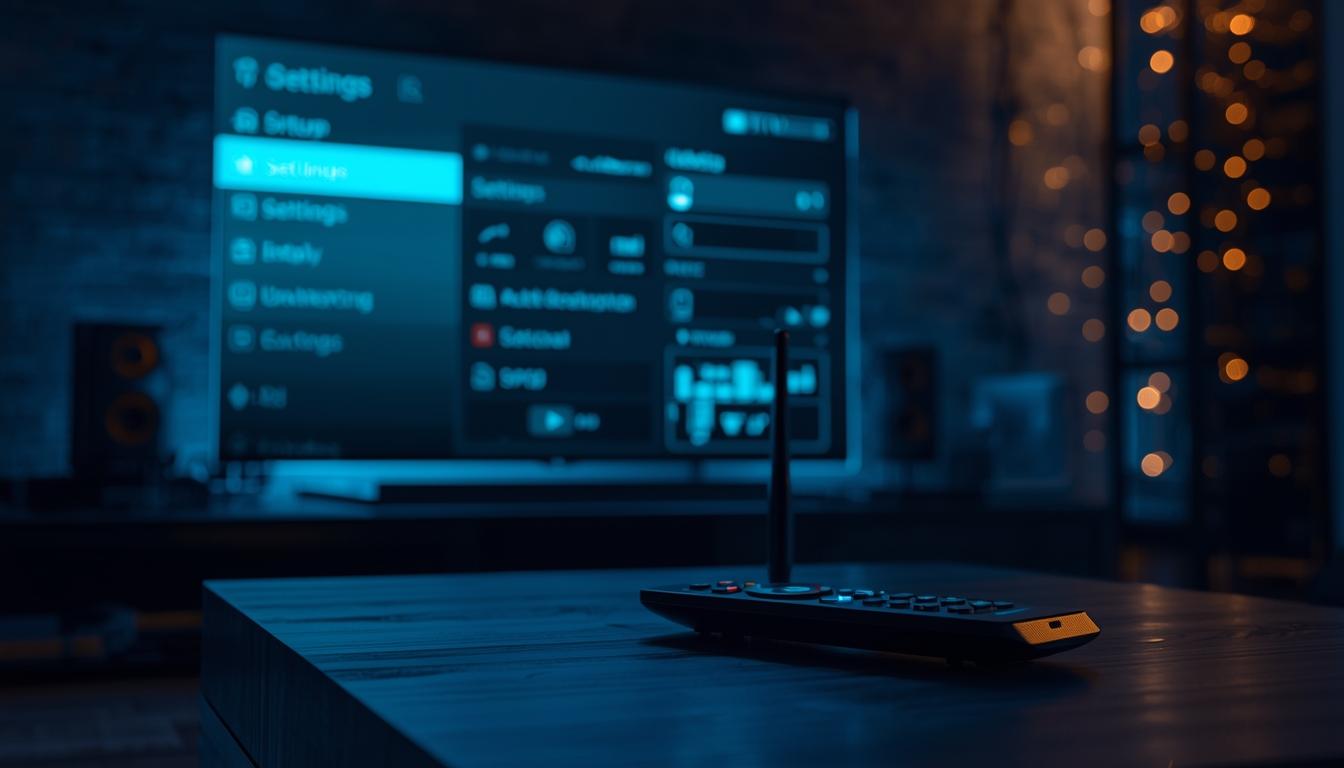
Getting started with IPTV what requires some preparation to ensure a smooth experience. While the setup process is generally straightforward, taking time to understand the requirements will save frustration later.
First, evaluate your internet connection, as this forms the foundation of your IPTV experience. For standard definition content, a minimum speed of 10 Mbps is recommended. For HD content, aim for at least 25 Mbps, while 4K streaming typically requires 50+ Mbps. Connection stability is equally important as speed—frequent disconnections will disrupt your viewing experience regardless of bandwidth.
Next, determine which device you’ll use as your IPTV receiver. Common options include:
– Smart TVs with internet capabilities – Dedicated IPTV set-top boxes – Android TV boxes or Amazon Fire devices – Smartphones and tablets – Computers running Windows or Mac OS
The preparation time varies depending on your technical comfort level and existing setup. For most users, expect to spend: – 15-30 minutes researching and selecting an IPTV service – 10-15 minutes creating an account and subscribing – 5-20 minutes downloading and installing necessary applications – 10-15 minutes configuring the service on your device
Ensure you have access to your device credentials and router information, as you may need these during setup. Having a secondary device like a smartphone ready can help troubleshoot any issues that arise during configuration.
WCIPTV Context
When exploring IPTV what options, reliability and service quality become paramount considerations for a satisfying experience. WCIPTV offers a flexible IPTV solution designed to address the common pain points many users encounter with other providers. The service focuses on delivering stable connections with minimal buffering—a critical factor that determines whether your IPTV experience will be enjoyable or frustrating.
One significant advantage of WCIPTV is its broad device compatibility, supporting popular platforms including Firestick, Android TV, NVIDIA Shield, Apple devices, smart TVs, and conventional computers. This versatility allows users to leverage their existing technology without requiring specific hardware purchases.
Before committing to any long-term subscription, it’s important to verify that the service meets your specific needs and performs well with your internet connection and devices. WCIPTV acknowledges this concern by offering testing options for new users to ensure compatibility and satisfaction. This try-before-you-buy approach demonstrates confidence in service quality while helping customers make informed decisions.
For users still researching various aspects of IPTV what technology and service options, WCIPTV provides educational resources alongside their service offerings to help navigate this technology transition effectively.
Step-by-Step Instructions for Setting Up IPTV
Successfully implementing IPTV what technology in your home requires following a structured approach. Here’s a comprehensive guide to getting started:
1. Choose Your IPTV Provider – Research available services based on content offerings, pricing, and user reviews – Select a provider with transparent terms and good technical support – Sign up for a subscription plan matching your viewing preferences
2. Select and Prepare Your Device – Ensure your chosen device (smart TV, streaming box, etc.) meets system requirements – Check that your device has adequate storage for IPTV applications – Connect your device to your home network (preferably via Ethernet for stability)
3. Download Required Applications – For Android/Fire devices: Install the recommended IPTV player app from the relevant app store – For iOS: Download compatible IPTV applications from the App Store – For computers: Install appropriate media player software (VLC, etc.)
4. Configure Your IPTV Service – Launch your IPTV application – Enter the connection details provided by your service (URL, username, password) – Select your preferred connection method (M3U playlist, MAG portal, etc.)
5. Customize Your Experience – Organize channels into favorites for easy access – Adjust streaming quality settings based on your internet capabilities – Set up EPG (Electronic Program Guide) if available – Configure parental controls if needed
6. Test Your Connection – Check several channels across different categories – Test at different times of day to evaluate consistency – Verify that VOD content loads properly
7. Optimize Your Setup – Consider using a VPN for improved privacy and potentially better streaming – Set up automatic updates for your IPTV application – Create system backups to preserve your configuration
By following these steps methodically, you can establish a reliable IPTV what setup that delivers the flexible viewing experience you’re seeking.
Devices & Compatibility
Understanding device compatibility is crucial when implementing an IPTV what solution. The technology works across a diverse range of hardware, each offering different advantages and limitations.
Android-based devices represent the most widely supported platform for IPTV services. This category includes Android TV boxes, NVIDIA Shield, and Amazon Fire TV devices (Firestick). Their popularity stems from their open ecosystem, allowing easy installation of various IPTV applications. Most Android devices support multiple player applications like TiviMate, IPTV Smarters, and Perfect Player, giving users flexibility in their interface choice.
Smart TVs offer integrated IPTV capabilities with varying degrees of support. Samsung Tizen and LG WebOS platforms provide direct IPTV application support, while other models might require sideloading applications. The advantage of smart TV implementation is the streamlined setup without additional hardware, though processing power may be limited compared to dedicated devices.
Apple ecosystem users can access IPTV what services through iOS and tvOS devices. While Apple maintains stricter app store policies, several IPTV-compatible applications like GSE Smart IPTV and iPlayTV are available. Apple TV 4K offers excellent performance but may require more configuration steps than Android alternatives.
Traditional computers (Windows, Mac, Linux) support IPTV through web browsers or dedicated applications like VLC Media Player. This approach offers maximum flexibility and control but might lack the convenience of a dedicated living room solution.
For multiroom setups, IPTV middleware solutions like Xtream Codes panels allow synchronized service across multiple devices, making them ideal for households with several viewing locations. Each connection typically counts against your provider’s allowed concurrent streams.
When selecting your device, consider factors like processing power (affecting smoothness of playback), available storage (for recording capabilities), and ethernet connectivity options (providing more stable connections than WiFi for high-definition content).
Tips for Optimizing Your IPTV Experience
Maximizing your IPTV what experience requires attention to both technical and organizational details. These optimization strategies can significantly enhance reliability, performance, and viewing satisfaction.
Connection Optimization: – Whenever possible, use a wired ethernet connection rather than WiFi to eliminate wireless interference issues – If WiFi is necessary, position your router centrally and minimize obstacles between it and your IPTV device – Consider using a mesh network system for larger homes to ensure consistent signal strength – Schedule bandwidth-intensive activities (like large downloads) during non-viewing hours
Buffering Reduction Techniques: – Adjust video quality settings to match your internet speed (lower resolution requires less bandwidth) – Close unnecessary applications running in the background on your device – Consider implementing a quality of service (QoS) setting on your router to prioritize streaming traffic – Use a VPN service with streaming optimization if experiencing ISP throttling
Content Organization: – Create personalized favorites lists grouping similar content (sports, news, entertainment) – Use EPG filters to display only channels you frequently watch – Organize VOD content into custom playlists for different family members – Set up automatic recording for regularly watched programs
Performance Maintenance: – Clear cache periodically from your IPTV application to prevent buildup – Keep your IPTV application and device firmware updated to latest versions – Restart your IPTV device weekly to refresh system resources – Monitor and manage storage space on recording-enabled setups
User Experience Enhancements: – Customize interface settings like font size, color schemes, and layout for easier navigation – Set up voice control integration where supported for hands-free operation – Create viewing profiles for different users with individualized settings – Consider a universal remote solution to control your IPTV setup alongside other entertainment devices
Implementing these optimization strategies helps ensure that your IPTV what implementation delivers a seamless viewing experience with minimal technical disruptions.
Troubleshooting Common IPTV Issues
Even well-configured IPTV what systems occasionally encounter problems. Knowing how to identify and resolve common issues can minimize viewing disruptions.
Buffering or Freezing Issues – Problem: Video repeatedly pauses to load or freezes entirely – Solutions: 1. Check your internet speed using an online speed test 2. Reduce playback quality settings within your IPTV application 3. Close other applications or devices consuming bandwidth 4. Restart your router and IPTV device 5. Try changing to a different server if your provider offers multiple options
Connection Failures – Problem: Unable to connect to IPTV service or “Server not found” errors – Solutions: 1. Verify your internet connection works for other websites/services 2. Confirm your subscription is active and credentials are entered correctly 3. Check if your service provider is experiencing an outage 4. Try using a VPN if your ISP might be blocking IPTV traffic 5. Reinstall your IPTV application if persistent issues occur
EPG (Electronic Program Guide) Not Loading – Problem: Program guide shows “No information” or fails to update – Solutions: 1. Manually refresh the EPG within your application settings 2. Clear the EPG cache in your application 3. Check time zone settings match your location 4. Contact your provider to verify EPG services are operational 5. Try an alternative EPG source if your application supports it
Audio/Video Synchronization Issues – Problem: Sound doesn’t match lip movement or action on screen – Solutions: 1. Change to a different audio track if available 2. Restart the current stream or switch channels then return 3. Try an alternative player application with A/V sync adjustment features 4. Update your device firmware and IPTV application 5. Test on another device to determine if device-specific
Remote Control/Navigation Problems – Problem: Difficulty controlling the interface or unresponsive navigation – Solutions: 1. Replace remote batteries or recharge controllers 2. Check for interference from other devices 3. Reinstall or update your IPTV application 4. Clear application cache and data 5. Perform a factory reset on your device as a last resort
When troubleshooting IPTV what problems, address the simplest potential causes first before attempting more complex solutions. Maintaining detailed notes about successful resolutions can help quickly resolve similar issues if they recur in the future.
Conclusion
As we’ve explored throughout this guide, understanding IPTV what technology opens up a world of flexible viewing options that traditional cable services simply can’t match. The ability to access content on-demand across multiple devices represents a fundamental shift in how we consume television programming. Whether you’re motivated by cost savings, content variety, or viewing flexibility, IPTV offers compelling advantages worth considering.
The technology continues to evolve rapidly, with improvements in streaming quality, interface design, and content availability happening regularly. This evolution makes IPTV an increasingly viable alternative to conventional television services for many households. However, success with any IPTV what implementation depends on choosing the right provider, having appropriate internet infrastructure, and selecting compatible devices.
Remember that proper setup and optimization significantly impact your viewing experience. Taking time to configure your system correctly and troubleshoot any issues methodically will pay dividends in reliability and performance. The flexibility to customize your channel lineup and viewing preferences allows for a truly personalized entertainment experience.
As you consider exploring IPTV services, approach the transition as an opportunity to reimagine your viewing habits. The technology empowers you to watch what you want, when you want, on the device of your choice – truly putting you in control of your entertainment experience.