Skip to content
Understanding the Best IPTV Providers: A Complete Guide
Navigating the world of streaming services can be overwhelming, especially when traditional cable costs continue to rise while offering limited flexibility. Many viewers find themselves trapped in expensive contracts with channels they never watch. The search for affordable alternatives that deliver customized content has led many to explore IPTV providers as a solution. These services offer an internet-based approach to television that can dramatically transform how you access entertainment.
IPTV providers deliver television content through internet protocols rather than traditional broadcast methods, giving viewers more control over what they watch and when. The technology allows for on-demand viewing, live broadcasts, and extensive content libraries that often surpass what’s available through conventional cable packages. Try a free IPTV trial before committing to a subscription to ensure the service meets your specific entertainment needs.
What Are IPTV Providers?
IPTV (Internet Protocol Television) providers are services that deliver television content over the internet rather than through traditional satellite or cable formats. Unlike conventional TV services that broadcast content simultaneously to all subscribers, IPTV providers use a more personalized approach where content streams directly to individual users when requested.
These providers operate using a client-server model where video content is stored on servers and delivered to viewers’ devices when they request specific programs. The technology works by converting traditional TV signals into digital format, which is then transmitted through internet protocols to compatible devices. This architecture enables features like video-on-demand, time-shifted viewing, and interactive TV that traditional broadcasting cannot easily provide.
Most reputable IPTV providers offer subscription-based services with various packages tailored to different viewing preferences. The technology behind IPTV relies on robust streaming infrastructure as detailed in this Authority streaming reference, which explains how data compression and internet bandwidth work together to deliver high-quality video content.
Why Users Search for IPTV Providers
The growing interest in IPTV providers stems from several key consumer motivations that reflect changing viewing habits and expectations in the digital age.
Cost Considerations
Many users turn to IPTV providers because of frustration with the escalating costs of traditional cable and satellite services. Cable packages often force consumers to pay for numerous channels they never watch, while IPTV typically offers more affordable packages with greater customization options.
Content Flexibility
Geographical content restrictions represent another significant pain point. Many viewers seek IPTV providers because they want access to international programming, sports events, or shows that aren’t available in their region through conventional means. IPTV services often provide content from multiple countries without regional limitations.
Convenience Factors
The convenience of watching content on multiple devices is increasingly important to modern viewers. According to Trusted industry source, streaming services have revolutionized how people consume media, with viewers expecting seamless experiences across smartphones, tablets, smart TVs, and computers—something IPTV providers typically accommodate better than traditional television services.
Technical Advantages
Advanced features like catch-up TV, video on demand, and program recording capabilities attract technically-savvy users who want more control over their viewing experience than traditional television allows.
How IPTV Providers Work: Key Information
Understanding how IPTV providers deliver their services helps users make informed decisions about which provider might best suit their needs.
Technical Foundation
IPTV providers operate by encoding video content into IP packets that travel through the internet to reach viewers’ devices. This differs fundamentally from traditional television broadcasting where signals are transmitted simultaneously to all possible receivers. The internet-based delivery method allows for:
1. Personalized content delivery 2. Two-way communication between provider and viewer 3. Interactive features and services 4. Efficient bandwidth usage
Service Models Comparison
| Feature | Traditional Cable | IPTV Providers | Satellite TV | |———|—————–|—————-|————-| | Delivery Method | Coaxial Cable | Internet Connection | Satellite Dish | | Content Selection | Fixed Packages | Customizable Options | Fixed Packages | | On-Demand Features | Limited | Extensive | Limited | | Device Compatibility | TV Only | Multiple Devices | TV Only | | Installation Requirements | Professional Setup | Self-Installation | Professional Setup | | Monthly Cost | $60-120+ | $10-50 | $60-100+ | | Contract Requirements | Typically Yes | Often No | Typically Yes |
Content Sources
IPTV providers source their content through various legitimate channels, including:
– Direct licensing agreements with content creators – Partnerships with television networks – Aggregation of freely available streaming content – Creation of original programming
The most reputable IPTV providers maintain proper licensing agreements to ensure their content offerings remain legal and sustainable.
Setup & Preparation for IPTV Services
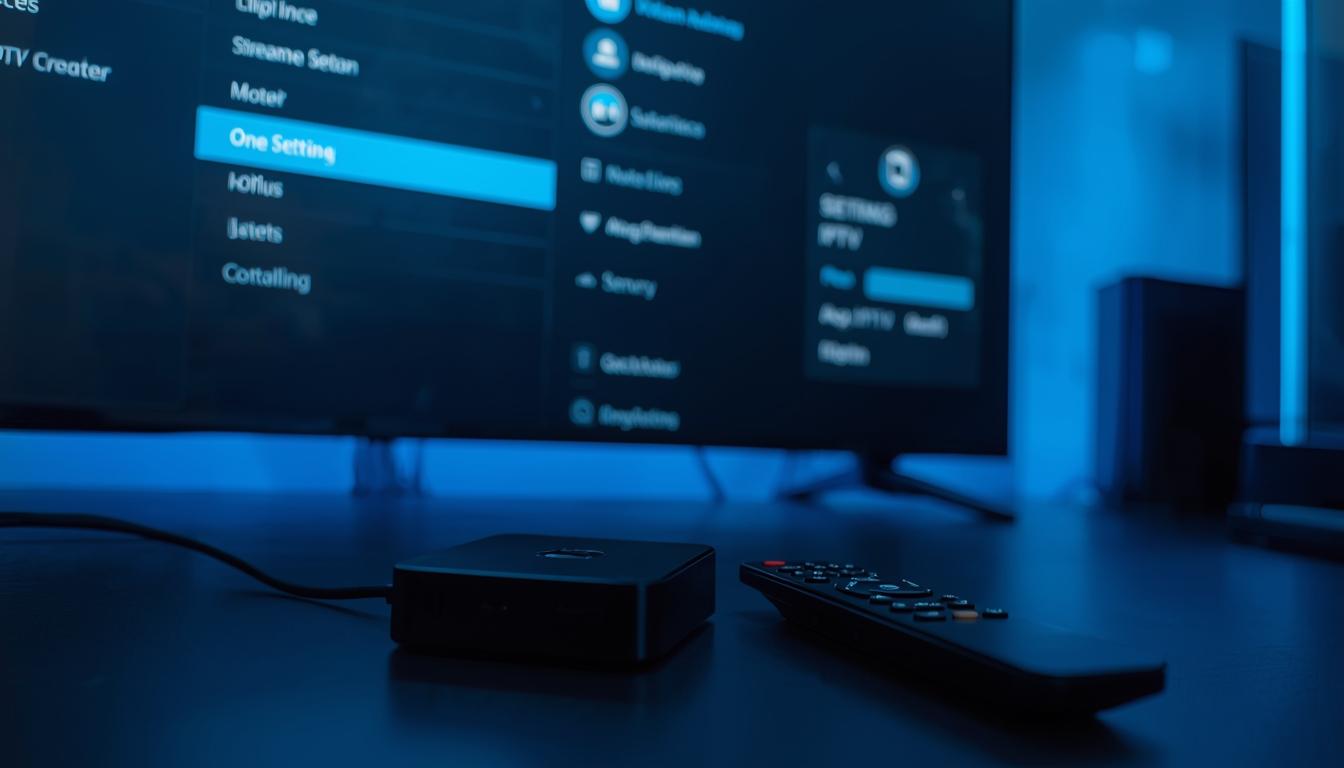
Before subscribing to an IPTV provider, several preparatory steps ensure optimal performance and satisfaction with the service.
Internet Requirements
A stable and relatively fast internet connection forms the foundation of any IPTV experience. For standard definition content, connections of at least 10 Mbps are recommended. For HD content, 25+ Mbps provides better reliability, while 4K streaming typically requires 50+ Mbps. Perform an internet speed test to verify your connection meets these requirements before selecting a provider.
Hardware Considerations
While most IPTV providers offer apps that work on standard smart devices, performance can be enhanced with dedicated hardware. Consider the following options:
– Android TV boxes specifically optimized for IPTV – Amazon Firestick or Fire TV devices – Apple TV for iOS users – MAG boxes designed specifically for IPTV services – Formuler or Dreamlink boxes with specialized IPTV interfaces
Time Investment
Setting up an IPTV service typically requires less time than traditional cable installation: – Research and selection of provider: 1-2 hours – Account registration: 15 minutes – App installation: 10-15 minutes – Configuration and personalization: 30 minutes
Most users can complete the entire setup process in under 3 hours, with no waiting for installation appointments or service technicians.
WCIPTV Context: A Flexible IPTV Solution
When exploring IPTV providers, WCIPTV stands out for its comprehensive approach to streaming television. Their service architecture prioritizes stability even during peak viewing hours when many other providers experience buffering or downtime. This reliability comes from their strategically positioned servers and bandwidth management protocols that adapt to network conditions in real-time.
Device compatibility remains a crucial consideration when selecting IPTV providers. WCIPTV supports an extensive range of devices including Android smartphones and tablets, iOS devices, Amazon Fire TV products, Apple TV, MAG boxes, and standard Windows and Mac computers. This flexibility ensures users can access their content on preferred devices without being forced to purchase new hardware.
Security features represent another area where quality IPTV providers distinguish themselves. WCIPTV implements encrypted connections and secure authentication protocols to protect user privacy and prevent unauthorized access to account information. Before making a long-term commitment to any IPTV service, experts recommend evaluating performance across different devices and content types. Visit the WCIPTV official website for more detailed information about their offerings.
Step-by-Step Instructions for Setting Up IPTV
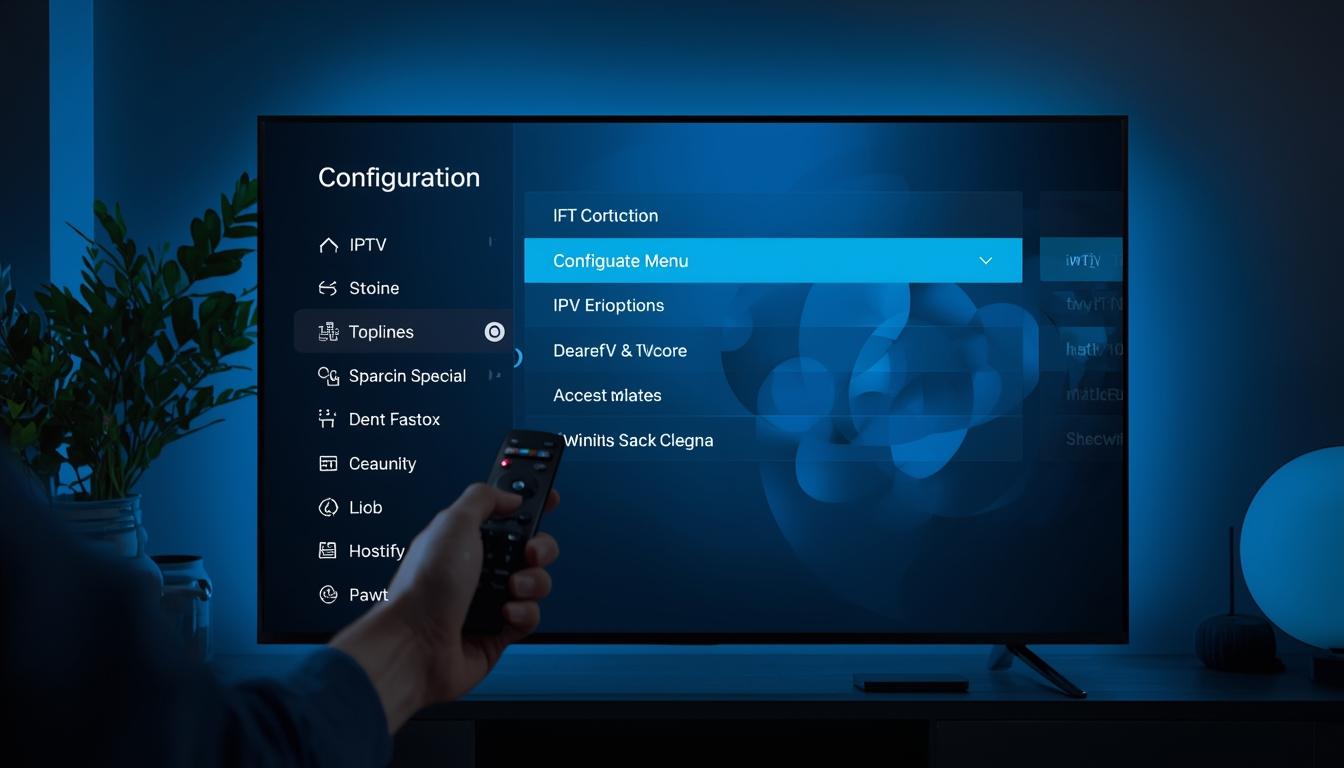
Implementing an IPTV service requires following specific steps to ensure proper configuration and optimal performance.
1. Select a Compatible IPTV Provider
Research IPTV providers that support your preferred devices and offer content packages matching your interests. Look for providers with positive reviews regarding stability, customer support, and streaming quality.
2. Complete Registration Process
1. Visit the provider’s official website 2. Select your preferred subscription package 3. Create an account with a unique username and secure password 4. Complete the payment process using available payment methods 5. Save confirmation emails and account credentials securely
3. Download Required Applications
Depending on your device: – For smart TVs: Access the app store and search for your provider’s app – For streaming devices: Download the recommended IPTV player app – For computers: Install the provider’s desktop application or recommended player – For mobile devices: Download the appropriate iOS or Android application
4. Configure Your Account
1. Launch the installed application 2. Enter your account credentials (username/password or activation code) 3. If required, input the service URL provided by your IPTV provider 4. Allow the application to connect to the service 5. Wait for the channel list and content library to load completely
5. Customize Your Experience
1. Organize channels into favorites for quicker access 2. Set parental controls if needed 3. Adjust video quality settings based on your internet speed 4. Configure automatic updates if available 5. Set up recording functions for scheduled programs
Devices & Compatibility with IPTV Providers
The versatility of IPTV services extends to numerous devices, though performance and features may vary between platforms.
Smart TVs
Most modern smart TVs from manufacturers like Samsung, LG, Sony, and others support IPTV services through native applications or third-party apps available in their respective app stores. Android-based smart TVs offer the widest compatibility with IPTV providers.
Streaming Devices
Dedicated streaming devices provide excellent IPTV performance: – Amazon Fire TV Stick: Popular for its affordability and ease of use – Nvidia Shield: Premium performance for demanding users – Roku: Simple interface though sometimes limited in IPTV app selection – Apple TV: Good for those within the Apple ecosystem – Chromecast: Works by casting from another device
Computers and Mobile Devices
Both Windows and Mac computers can run IPTV services through: – Web browsers (for providers with web interfaces) – VLC Media Player – Dedicated desktop applications
Smartphones and tablets offer portable viewing through: – Provider-specific mobile apps – General IPTV player applications – Web browser access for some services
Dedicated IPTV Boxes
Specialized equipment designed specifically for IPTV provides the most seamless experience: – MAG devices: Purpose-built for IPTV with simple interfaces – Formuler boxes: Feature advanced recording and time-shifting – Dreamlink receivers: Offer specialized IPTV features – Android TV boxes: Provide flexibility beyond just IPTV services
IPTV Optimization Tips
Maximizing your IPTV experience requires attention to several key optimization areas.
Network Optimization
1. Use wired Ethernet connections instead of Wi-Fi when possible 2. Position Wi-Fi devices closer to your router when wired connections aren’t an option 3. Consider a mesh network system for larger homes 4. Close bandwidth-heavy applications while streaming 5. Use Quality of Service (QoS) settings on your router to prioritize streaming traffic
Buffer Management
Buffering issues can be minimized by: – Adjusting video quality settings to match your connection speed – Ensuring your device has sufficient free storage space – Using a VPN service if your ISP throttles streaming traffic – Selecting servers geographically closer to your location – Scheduling viewing during off-peak hours when possible
EPG (Electronic Program Guide) Optimization
Most IPTV providers include program guides that can be customized: – Set the guide to refresh automatically – Filter channels to show only those you regularly watch – Adjust time zone settings to match your location – Configure program reminders for must-see content – Utilize categories to organize content effectively
Storage Management
For IPTV services that offer recording functionality: – Connect external storage for expanded recording capacity – Regularly delete watched recordings – Set automatic deletion parameters for older content – Use series recording features for efficient management – Consider cloud storage options if available
Troubleshooting Common IPTV Issues

Even with the best IPTV providers, technical issues occasionally arise. Understanding common problems and their solutions ensures minimal disruption to your viewing experience.
Streaming Quality Problems
Issue: Pixelation, low resolution, or poor image quality Solutions: – Check your internet connection speed – Lower the streaming quality setting temporarily – Restart your router and streaming device – Switch to a wired connection if using Wi-Fi – Contact your provider to verify server status
Connection Failures
Issue: Unable to connect to the IPTV service Solutions: – Verify your subscription is active and account is in good standing – Check if your login credentials are entered correctly – Ensure your internet connection is functioning – Disable VPN services temporarily if they’re causing conflicts – Reinstall the application if persistent problems occur
Playback Issues
Issue: Freezing, stuttering, or buffering during playback Solutions: – Close other applications consuming bandwidth – Clear the cache in your IPTV application – Restart the streaming device – Adjust buffer settings if your player allows – Contact your IPTV provider to check for known outages
EPG Problems
Issue: Missing or incorrect program information Solutions: – Force a manual update of the EPG data – Check time zone settings in your application – Clear EPG cache if the option is available – Ensure your subscription includes EPG access – Report persistent errors to your provider
Device-Specific Issues
Issue: Application crashes or device compatibility problems Solutions: – Update your device’s operating system – Install the latest version of the IPTV application – Verify your device meets minimum requirements – Try alternative IPTV player applications – Factory reset the device as a last resort
Conclusion
The landscape of television entertainment continues to evolve, with IPTV providers leading the charge toward more flexible, affordable, and personalized viewing experiences. These services bridge the gap between traditional television and modern streaming platforms, offering the best aspects of both worlds: the channel-based structure familiar to cable users combined with the on-demand flexibility of streaming services.
When selecting among IPTV providers, prioritize legal services that maintain proper licensing agreements and deliver consistent technical quality. Consider factors like content variety, streaming reliability, device compatibility, and customer support reputation rather than focusing solely on price. The most affordable service may not provide the best overall value if it suffers from frequent outages or limited device support.
As internet infrastructure continues to improve worldwide, IPTV technology will likely become increasingly mainstream, potentially replacing traditional cable and satellite services for many households. By understanding the technology and following the guidelines outlined in this article, viewers can make informed decisions about incorporating IPTV into their entertainment ecosystem.
Frequently Asked Questions
How do IPTV providers differ from traditional cable services?
IPTV providers deliver television content through internet protocols rather than dedicated cables or satellite signals. This enables features like on-demand viewing, multi-device streaming, and often more flexible subscription options without long-term contracts. Unlike cable services that require specialized installation, IPTV typically works with existing internet connections and compatible devices.
What internet speed do I need for reliable IPTV streaming?
For standard definition content, a minimum connection speed of 10 Mbps is recommended. HD content typically requires 25 Mbps or faster, while 4K streaming needs at least 50 Mbps for buffer-free viewing. Beyond raw speed, connection stability is equally important—a consistent 25 Mbps connection often performs better than a fluctuating 100 Mbps connection.
Can I use IPTV providers while traveling internationally?
Many IPTV services work internationally, though performance may vary depending on local internet infrastructure and potential geographic restrictions. Some providers implement region locks that might require using a VPN service to access content while abroad. Always check the terms of service, as some providers prohibit accessing content outside your registered country.
What should I look for when comparing different IPTV providers?
Evaluate providers based on legal compliance, content variety, streaming quality, device compatibility, and customer support. Review trial options, contract terms, and cancellation policies. Technical factors like server locations, uptime guarantees, and concurrent connection allowances also significantly impact the user experience. Avoid providers offering unrealistically large channel counts at extremely low prices.
Is using IPTV services legal?
Legal IPTV providers maintain proper licensing agreements with content creators and distributors. Many legitimate IPTV services exist, including those offered by traditional broadcasters and telecommunications companies. However, some services operate in legally questionable territory by redistributing content without proper authorization. Research providers thoroughly and be wary of services advertising thousands of premium channels at unusually low prices.