Skip to content
Finding the Best IPTV: Your Complete Guide to Quality Streaming
In today’s digital landscape, streaming enthusiasts often struggle with unreliable services, buffering issues, and limited channel selections. These frustrations can turn an evening of entertainment into an exercise in patience. When searching for the best IPTV solution, many users find themselves overwhelmed by countless options, unsure which providers deliver on their promises and which fall short. Quality, reliability, and value become paramount concerns when investing in a streaming service that will become part of your daily entertainment routine. Before committing to any subscription, it’s always wise to test the waters. Try a free IPTV trial to experience the service firsthand and ensure it meets your specific needs.
What Is Best IPTV?
IPTV (Internet Protocol Television) refers to television content delivered through internet protocols rather than traditional broadcast methods like satellite or cable. The best IPTV services distinguish themselves through superior stream quality, extensive content libraries, reliable connections, and user-friendly interfaces.
Unlike conventional TV broadcasting, IPTV streams content through your internet connection, allowing for on-demand viewing and greater flexibility. The technology works by breaking down video content into data packets that are transmitted over IP networks, then reassembled on your viewing device. This process enables features like time-shifting, video on demand, and interactive viewing experiences that traditional broadcasting cannot match. Authority streaming reference provides deeper insights into how these streaming technologies have evolved over time.
Premium IPTV services offer higher bitrates (affecting picture quality), more stable servers, comprehensive electronic program guides (EPGs), multi-device support, and reliable customer service. These factors collectively create a seamless viewing experience that justifies the “best” designation.
Why Users Search For The Best IPTV
The pursuit of superior IPTV services stems from several common pain points that viewers experience with standard television options:
1. Cost efficiency – Traditional cable packages often come with high monthly fees for hundreds of channels viewers never watch. Quality IPTV services offer more targeted content at more affordable rates.
2. Content flexibility – Many users seek international channels or specialized content unavailable through local providers. The best IPTV services provide global content libraries.
3. Device compatibility – Modern viewers want to watch content across multiple devices, from smart TVs to mobile phones. Top-tier IPTV platforms offer cross-device compatibility, particularly with popular streaming devices. Trusted industry source details how these streaming platforms have revolutionized content consumption.
4. Technical quality – Users increasingly demand HD and 4K content with minimal buffering or interruption, driving them toward providers with robust infrastructure.
5. User experience – Intuitive interfaces, searchable content, and customization options enhance the viewing experience and separate premium services from basic offerings.
These factors collectively motivate consumers to research extensively before selecting an IPTV provider, weighing features against cost to find the optimal balance.
Key Information About IPTV Services
When evaluating IPTV offerings, understanding the technical and service aspects helps make informed decisions. The best IPTV providers balance technical prowess with user-friendly features.
Here’s a comparison of what differentiates various tiers of IPTV services:
| Feature | Basic IPTV | Good IPTV | Best IPTV |
|———|————|———–|———–|
| Stream Quality | SD, occasional HD | Mostly HD | HD/4K standard |
| Buffering | Frequent | Occasional | Rare |
| Channel Selection | Limited (500-1000) | Moderate (2000-5000) | Extensive (5000+) |
| EPG Accuracy | Basic/Incomplete | Good coverage | Comprehensive, accurate |
| Device Support | 1-2 devices | 3-4 devices | 5+ devices |
| Customer Support | Email only | Email & chat | 24/7 multi-channel |
| Server Reliability | 85-90% uptime | 95-98% uptime | 99%+ uptime |
| VOD Library | Small/outdated | Moderate | Extensive, updated |
| Connection Security | Basic | Good | Advanced encryption |
Premium services typically invest in CDN (Content Delivery Network) technology, which strategically distributes content across multiple servers to reduce latency and ensure smoother streaming regardless of viewer location. This infrastructure investment is a key differentiator for the best IPTV providers.
Setup & Preparation
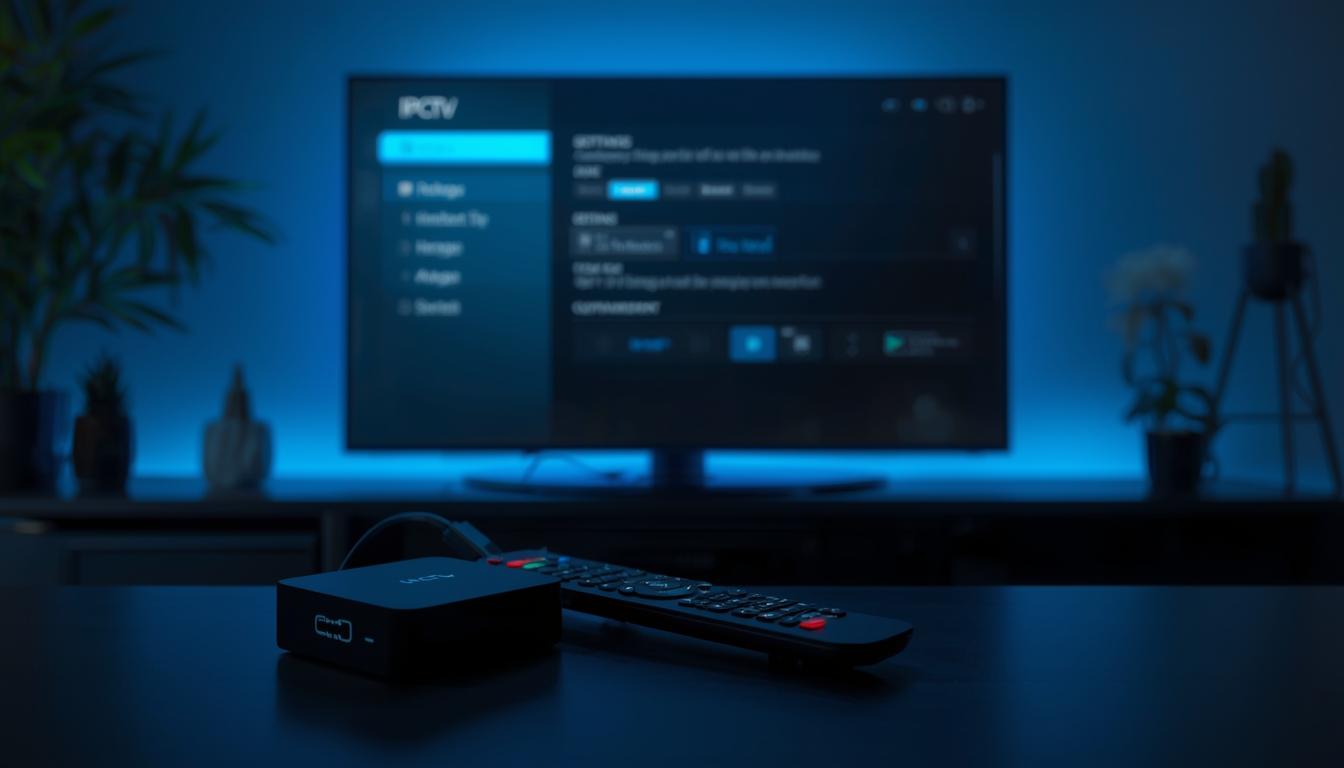
Preparing your environment for optimal IPTV performance requires attention to several key factors. With proper setup, even average internet connections can deliver excellent viewing experiences.
Time requirement: Basic setup typically takes 15-30 minutes, while optimizing your environment might require 1-2 hours depending on your technical familiarity.
Internet connection: The foundation of quality IPTV streaming is a stable internet connection. For HD content, a minimum of 10 Mbps is recommended, while 4K streaming may require 25+ Mbps. Consider these preparation steps:
1. Test your internet speed using services like Speedtest.net to ensure sufficient bandwidth
2. Consider a wired connection rather than WiFi when possible, especially for 4K content
3. Optimize your router placement to minimize interference
4. Update your viewing device with the latest firmware
5. Ensure sufficient storage space for IPTV applications
Most quality IPTV services provide detailed setup guides for common devices, simplifying the process even for non-technical users. Taking time with these preparation steps can dramatically improve your streaming experience and prevent common issues that plague hasty setups.
WCIPTV Context
When evaluating IPTV solutions, flexibility and reliability stand out as critical factors. WCIPTV offers a comprehensive service designed to address the pain points many users experience with lesser providers. The service emphasizes stability through redundant server infrastructure, minimizing the buffering and downtime that can ruin viewing experiences.
Device compatibility remains a strength of WCIPTV, with support for major platforms including Android devices, iOS, Fire TV, Apple TV, and various smart TVs. This multi-platform approach ensures users can access their content regardless of their preferred viewing method. The service also provides dedicated applications optimized for each platform rather than relying on generic solutions.
One significant advantage of quality IPTV services like WCIPTV is the ability to thoroughly test the service before making a financial commitment. This trial period allows users to verify compatibility with their specific devices, assess stream quality on their internet connection, and explore the content library to ensure it meets their viewing preferences.
For those interested in learning more about comprehensive IPTV solutions with proven reliability, visit WCIPTV for detailed information about available packages and supported features.
Step-by-Step Instructions
Setting up your IPTV service requires following a systematic approach to ensure optimal performance. These instructions apply to most quality IPTV services:
1. Select your device – Determine which compatible device you’ll use (Fire Stick, Android Box, Smart TV, etc.)
2. Install the appropriate application – Most premium IPTV services either provide their own application or recommend specific third-party apps optimized for their service
3. Create your account – Register with your provider using a valid email address to receive your login credentials
4. Enter your subscription details – Input the username/password or M3U URL provided by your IPTV service
5. Configure display settings – Adjust video quality based on your internet speed (auto, HD, or 4K)
6. Organize favorites – Most quality applications allow you to create custom groups or favorite channels for easy access
7. Set up EPG integration – Electronic Program Guides enhance navigation; configure this according to provider instructions
8. Test connection stability – Watch various channels at different times to ensure consistent performance
9. Configure parental controls – If needed, set up restrictions for certain content
10. Create backups – Save your configuration settings to prevent reconfiguration if you need to reinstall
For advanced users, consider configuring a VPN for enhanced privacy and potentially improved streaming performance when accessing international content. Many best IPTV services work seamlessly with leading VPN solutions.
Devices & Compatibility
The versatility of IPTV is one of its greatest advantages, with support spanning numerous devices and platforms. When searching for the best IPTV service, compatibility with your preferred viewing devices becomes a crucial consideration.
Smart TVs:
– Samsung Tizen OS (2016 models and newer)
– LG WebOS (3.0 and above)
– Android TV (Sony, Philips, TCL, etc.)
– Fire TV Edition televisions
Streaming Devices:
– Amazon Fire TV Stick (all generations)
– Roku (with third-party applications)
– Apple TV (4th generation and newer)
– Nvidia Shield
– Chromecast with Google TV
Mobile Devices:
– Android smartphones and tablets (Android 5.0+)
– iPhones and iPads (iOS 11+)
– Windows Phones (limited support)
Computers:
– Windows PC (Windows 7 and newer)
– Mac (macOS 10.10 and newer)
– Linux (with compatible media players)
Gaming Consoles:
– Xbox One/Series X|S (through browser or apps)
– PlayStation 4/5 (more limited support)
The best IPTV providers offer dedicated applications optimized for major platforms rather than relying solely on generic players. These specialized apps typically provide enhanced features like improved EPG integration, catchup services, and optimized streaming protocols.
Before committing to any service, verify specific compatibility with your devices, particularly if you’re using less common or older hardware. Most premium providers maintain updated compatibility lists on their websites or support documentation.
Tips & Optimization
Maximizing your IPTV experience goes beyond basic setup. These optimization strategies can significantly enhance performance and viewing quality:
Network Optimization:
– Prioritize IPTV traffic on your router’s QoS settings
– Consider dedicated WiFi channels to minimize interference
– Use mesh WiFi systems for large homes to ensure consistent coverage
– Schedule heavy downloads during non-viewing hours
Device Performance:
– Regularly clear cache on IPTV applications
– Close background applications while streaming
– Use external storage for IPTV apps on devices with limited internal memory
– Consider dedicated streaming devices rather than all-purpose tablets or phones
Content Management:
– Create logical favorites groups (News, Sports, Entertainment, etc.)
– Use provider EPG data rather than third-party sources when possible
– Set recording schedules during off-peak hours for more reliable captures
– Test various video quality settings to find the optimal balance between quality and stability
Subscription Management:
– Keep payment information updated to avoid service interruptions
– Maintain backup providers for critical viewing events
– Document your setup configuration for quick recovery if needed
– Consider longer subscription terms (6-12 months) with quality providers for better rates
Security Considerations:
– Use strong, unique passwords for your IPTV account
– Consider a dedicated email address for IPTV services
– Review application permissions carefully before installation
– Use secure payment methods when purchasing subscriptions
These optimization techniques can transform an average IPTV experience into an exceptional one, particularly when combined with a quality provider. Implementing even a few of these recommendations can yield noticeable improvements in reliability and performance.
Troubleshooting Common IPTV Issues
Even the best IPTV services occasionally encounter issues. Knowing how to diagnose and resolve common problems ensures minimal disruption to your viewing experience:
Buffering Problems:
– Cause: Insufficient bandwidth or network congestion
– Solution: Reduce video quality settings, restart your router, connect via ethernet cable instead of WiFi, or schedule viewing during off-peak hours
Channel Loading Failures:
– Cause: Server issues, outdated playlist, or connectivity problems
– Solution: Refresh your playlist/EPG, check server status with your provider, verify your subscription is active
Application Crashes:
– Cause: Insufficient device resources or software conflicts
– Solution: Clear application cache, ensure your device meets minimum requirements, update the application, or reboot your device
Audio/Video Synchronization Issues:
– Cause: Codec compatibility or network instability
– Solution: Try alternative players, adjust buffer settings, or reset stream connection
EPG Display Problems:
– Cause: Outdated guide data or incorrect timezone configuration
– Solution: Force EPG update, verify timezone settings, or contact provider for refreshed EPG data
Login Authentication Failures:
– Cause: Incorrect credentials, account limitations, or server maintenance
– Solution: Verify username/password, check maximum connection limits, or contact customer support
VOD Content Not Loading:
– Cause: Content removal, regional restrictions, or player incompatibility
– Solution: Try alternative content, use VPN if legally permitted in your region, or try different player applications
Remote Control/Navigation Issues:
– Cause: Device compatibility or application design limitations
– Solution: Use alternative remote apps, connect keyboard/mouse, or update device firmware
Many IPTV problems stem from local network issues rather than service problems. Establishing whether the issue affects all channels or just specific ones can help determine if the problem is on your end or the provider’s. Quality IPTV services maintain status pages or offer real-time support to distinguish between system-wide outages and individual connection problems.
Conclusion
Finding the best IPTV service requires balancing several factors including reliability, content selection, technical quality, and value. The right provider transforms your entertainment experience, offering flexibility and convenience that traditional television services cannot match. By understanding the technical requirements, implementing proper setup procedures, and knowing how to troubleshoot common issues, you can maximize the potential of your IPTV subscription.
Quality matters significantly in this space – investing in a reputable service often prevents the frustrations associated with less established providers. Consider your specific needs regarding content preferences, viewing devices, and technical capabilities when making your selection. Remember that the cheapest option rarely delivers the best experience, while the most expensive isn’t necessarily superior.
Take advantage of trial periods to evaluate performance across different times of day and content types. Pay particular attention to stability during high-demand viewing periods like major sporting events or prime-time hours. These real-world tests often reveal more about service quality than promotional materials.
With the information provided in this guide, you’re well-equipped to make an informed decision and enjoy the many benefits that the best IPTV services offer – from extensive content libraries to innovative viewing features that enhance your entertainment options.
FAQ
How much internet speed do I need for quality IPTV streaming?
For standard definition content, 3-5 Mbps is typically sufficient. HD content requires 5-10 Mbps per stream, while 4K content may need 25 Mbps or more. These requirements multiply when streaming to multiple devices simultaneously. For optimal performance, particularly with premium content, a stable connection of at least 50 Mbps is recommended for households with multiple viewers.
Can I use IPTV services while traveling internationally?
Most quality IPTV services work globally, though some content may be geo-restricted depending on licensing agreements. When traveling, connection quality depends on local internet infrastructure. Some countries may restrict certain streaming protocols, in which case a VPN might be necessary (where legally permitted). Always verify international usage policies with your provider before traveling.
How does IPTV differ from standard streaming services like Netflix?
While both deliver content over the internet, traditional streaming services offer on-demand libraries with limited live TV options. IPTV focuses primarily on live television channels organized similarly to cable/satellite packages, though many include VOD libraries. IPTV typically provides more extensive live channel selections, particularly international content, compared to mainstream streaming platforms. The best IPTV services combine both approaches with robust live and on-demand options.
What security considerations should I keep in mind with IPTV services?
Prioritize providers that use encrypted connections to protect your viewing data. Use unique passwords for your IPTV accounts rather than reusing credentials from other services. Be cautious about providing payment information – established providers offer secure payment methods rather than requesting direct bank transfers. Additionally, verify that any applications you install come from legitimate sources to avoid potential malware risks.
How many devices can typically use one IPTV subscription simultaneously?
Connection limits vary by provider and subscription tier. Basic packages may restrict usage to 1-2 concurrent connections, while premium offerings might allow 4-8 simultaneous streams. Exceeding these limits typically results in disconnection of existing sessions. The best IPTV providers clearly communicate these limitations and offer multi-connection packages for households with numerous devices. Always verify connection policies before purchasing to ensure the service meets your household needs.