Skip to content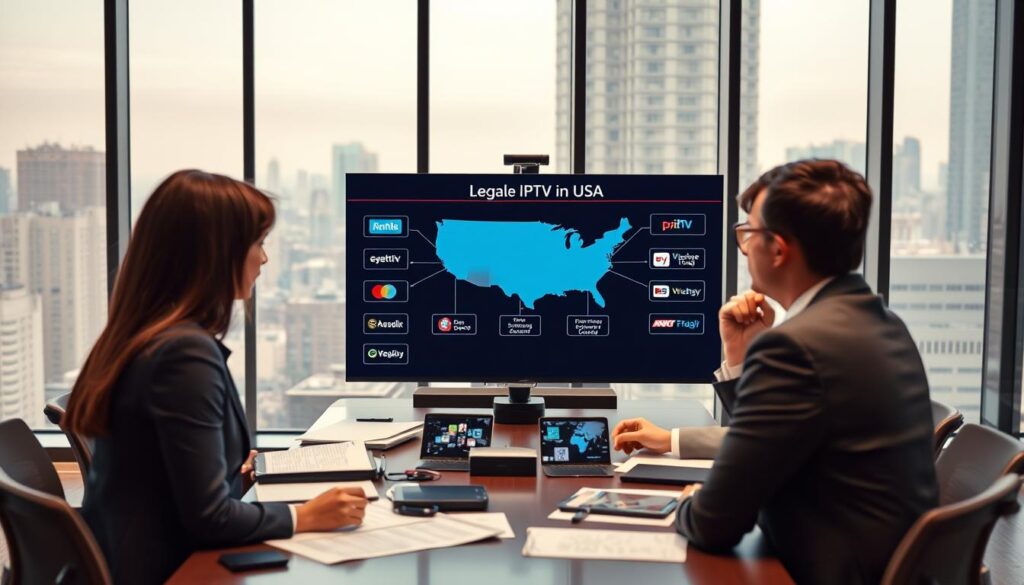
Is IPTV legal in USA? This is a common question many users ask before using IPTV services.
So, what is IPTV? It’s TV over the internet, not cable or satellite. This tech is legal in the United States. But, it’s how you use it that matters.
The big question is: Is your IPTV service legal? Some services stream content they shouldn’t. This is against the law.
If you want to understand how IPTV works in practice, you can test a service with a short 24-hour IPTV trial before making any decision : https://wciptv.com/free-trial
Key Takeaways
- IPTV technology is legal in the USA, but its use can be illegal if it streams copyrighted content without permission.
- The legality of IPTV depends on the service provider and how they obtain and distribute content.
- Using illegal IPTV services can result in significant risks, including fines and penalties.
- To stay safe, it’s crucial to choose IPTV services that have the necessary licenses and permissions.
- Researching the IPTV provider and understanding their content sourcing is key to avoiding legal issues.
What Is IPTV? Understanding the Basics
IPTV lets you watch live TV and on-demand content online. It uses your internet to send TV shows to your devices. This is different from old TV ways.
How IPTV Technology Works
IPTV sends TV channels and content over the internet. This lets you watch on many devices, like phones and smart TVs. It’s a more personal way to watch TV.
First, TV content is turned into digital format. Then, it’s sent over the internet. Your device decodes it, letting you pause, rewind, and watch on-demand.
Different Types of IPTV Services
IPTV services come in different types. They vary by what content they offer and how it’s delivered. The main types are:
- Live TV: Streams live TV channels over the internet.
- On-demand Content: You can watch content when you want, not just at set times.
- Video-on-Demand (VOD): Has a big selection of movies and TV shows to watch anytime.
How IPTV Differs from Traditional Cable
IPTV uses the internet to send content, unlike traditional cable. This lets IPTV offer more flexible and personalized viewing experiences. You can also watch IPTV on many devices with an internet connection. This makes it more versatile than traditional cable.
Is IPTV Legal in USA? The Straightforward Answer

To figure out if IPTV is legal in the USA, we must split it into two parts. IPTV is a way to send TV shows over the internet. Whether it’s legal depends on how it’s used and what it shows.
The Legal Status of IPTV Technology Itself
IPTV technology is okay in the United States. It’s like cable or satellite TV but online. Many legal services use it to stream content.
Key points about IPTV technology legality:
- IPTV is a neutral technology, not inherently illegal.
- Many legal streaming services use IPTV.
- The technology is widely used for both legal and illegal purposes.
When IPTV Services Become Illegal
IPTV services can be illegal if they share copyrighted stuff without permission. This includes TV shows, movies, and sports. The problem is when they don’t get the right licenses from the owners.
Examples of illegal IPTV services:
- Services offering premium content for free.
- Providers that stream copyrighted material without permission.
- Services that claim to offer extensive content libraries but lack proper licensing.
Understanding Content Licensing Requirements
For IPTV services to be legal, they need the right licenses. This means they must have deals with content creators. These deals help make sure creators get paid for their work.
Aspects of content licensing:
- Licensing agreements with content owners.
- Geographic restrictions based on licensing terms.
- Compliance with copyright laws.
In short, IPTV tech is legal in the USA. But, IPTV services must follow laws and get the right licenses. Users should pick services carefully to avoid legal trouble.
Legal vs. Illegal IPTV: How to Tell the Difference
Understanding the difference between legal and illegal IPTV services is key. The IPTV market is full of providers with different content. But, not all services follow the law.
Characteristics of Legitimate IPTV Providers
Legal IPTV providers have clear signs that show they are legit. These include:
- Proper Licensing: They have the right licenses from content owners.
- High-Quality Content: Legal services offer streams without buffering or interruptions.
- Transparent Pricing: They clearly show their prices and terms without hidden fees.
- Customer Support: They provide reliable support for any issues.
Warning Signs of Illegal IPTV Services
Illegal IPTV services have red flags to watch out for. Be careful if you see:
- Suspiciously Low Prices: Prices that are much lower than usual might be a sign of illegality.
- Lack of Licensing Information: Services without clear licensing info are likely illegal.
- Poor Stream Quality: Bad stream quality, like buffering, is common in unauthorized services.
- No Clear Terms of Service: Services with unclear or changing terms might be illegal.
Price Comparison: Legal vs. Unauthorized Services
Legal IPTV services usually have prices that match other streaming services. But, illegal services offer suspiciously low prices to lure customers. These low prices can lead to legal trouble and risks like malware.
To use a legal IPTV service, do your homework. Check for licenses and be cautious of very cheap prices. Making smart choices helps you enjoy IPTV safely and without worries.
U.S. Copyright Laws That Govern IPTV Services
Understanding IPTV laws in the U.S. starts with knowing the main copyright laws. These laws protect both creators and users of IPTV services.
According to the U.S. Copyright Office, distributing or streaming copyrighted content without permission is illegal under U.S. copyright law : https://www.copyright.gov/help/faq/faq-digital.html
The Digital Millennium Copyright Act (DMCA) Explained
The Digital Millennium Copyright Act (DMCA) is key for online copyright rules. Passed in 1998, it helps solve copyright issues online, like with IPTV. It sets rules for copyright owners to report problems and for providers to act on these claims.
IPTV services must stop copyright infringement. They need a way to handle takedown notices from copyright holders. Not following DMCA rules can lead to big fines.
The Communications Act and IPTV
The Communications Act of 1934, updated, affects IPTV too. It mainly deals with old-school telecom but also covers modern streaming. This law controls how IPTV works across states.
This Act requires IPTV to follow certain rules. They must meet standards for things like closed captioning and emergency alerts.
Recent Legal Precedents in IPTV Cases
Recent years have brought big changes in IPTV law. Important cases have shown how copyright laws apply to IPTV. For example, the Protecting Lawful Streaming Act of 2020 made streaming without permission a felony.
These cases highlight the need for IPTV to get the right licenses. Keeping up with legal changes is key for both IPTV services and users.
Legal Consequences of Using Unauthorized IPTV
Using unauthorized IPTV in the USA can lead to serious legal trouble. It’s key for consumers to know the risks.
People who use illegal IPTV can face big legal penalties. The law is clear: watching copyrighted content without permission is against U.S. laws.
The U.S. Department of Justice has prosecuted multiple cases involving illegal streaming services that distributed copyrighted content without authorization. https://www.justice.gov/opa/pr
What Happens to Subscribers of Illegal Services
Subscribing to unauthorized IPTV can put you at risk of:
- Facing fines for copyright infringement
- Receiving warnings or takedown notices from your internet service provider
- In extreme cases, facing criminal charges
The Digital Millennium Copyright Act (DMCA) lets copyright holders act against those who infringe on their rights. While the main target is often the service provider, subscribers can also be held liable.
Notable Prosecutions and Their Outcomes
There have been many cases of illegal IPTV in the United States. For example, in 2020, the Department of Justice charged several people for running a big illegal IPTV service. They got big fines and prison time.
“The unauthorized distribution of copyrighted content is a serious crime with significant legal consequences.” –
These cases show how seriously law enforcement takes copyright infringement. As a consumer, knowing these risks is important when picking an IPTV service.
In conclusion, the legal troubles from using unauthorized IPTV are severe. To stay safe, choose legitimate IPTV services with the right licenses and permissions.
Security and Technical Risks of Illegal IPTV
Using illegal IPTV services can put your security at risk. The temptation of free or cheap content is strong. But, the dangers of unauthorized IPTV far outweigh any benefits.
Malware and Data Theft Concerns
Illegal IPTV services often have malware. This can harm your devices and steal your data. Here are some risks to watch out for:
- Malware infections: Illegal IPTV apps and streams can contain malware that can compromise your device’s security.
- Data theft: Unauthorized IPTV services may steal your personal data, including login credentials and financial information.
- Unauthorized access: Some illegal IPTV services may provide backdoor access to your device, allowing hackers to control your device remotely.
Service Reliability and Quality Issues
Illegal IPTV services also have reliability and quality problems. You might face:
- Frequent buffering and lag: Illegal IPTV services may have poor server quality, leading to a subpar viewing experience.
- Stream unavailability: Unauthorized IPTV services can suddenly shut down or become unavailable, leaving you without access to content.
- Poor customer support: Illegal IPTV services typically lack customer support, making it difficult to resolve issues or get help when needed.
To keep your devices safe, choose a legitimate IPTV service. This way, you get a good viewing experience and avoid illegal IPTV risks.
Examples of Legal IPTV Platforms in the United States
The United States has seen a big rise in legal IPTV platforms. These platforms offer many choices to consumers. As more people want streaming services, many legal IPTV options have come up. They meet different viewer needs and preferences.
Major Streaming Services with Licensed Content
Several big streaming services are legal IPTV platforms in the U.S. These include:
- Fubo TV: Known for its wide sports coverage, Fubo TV has many channels and on-demand content.
- Sling TV: Sling TV lets users pick their channels. This way, they can watch what they like.
- YouTube TV: YouTube TV has a lot of channels, including local and sports. It also has unlimited DVR storage.
These services have the right licenses for their content. This makes sure they follow U.S. copyright laws. As “The key to a successful IPTV service lies in its ability to secure proper licensing and comply with regulations.” – a statement that resonates with the approach taken by these major streaming services.
Cable Provider IPTV Solutions
Traditional cable providers have also joined the IPTV trend. For example:
- Xfinity Stream: Xfinity’s IPTV service lets subscribers stream live TV and on-demand content.
- Spectrum TV Stream: Spectrum offers a similar service. It gives subscribers access to live TV and on-demand content.
These services often need a subscription to their cable TV packages. But they let users stream content over the internet.
Specialized Legal IPTV Services for Specific Content
There are also specialized IPTV services for specific content needs. For instance:
- DAZN: Focuses on sports streaming. It offers live and on-demand sports content.
- Hulu with Live TV: It combines traditional TV with on-demand content. It offers a mix of live TV and streaming services.
These specialized services show the variety of legal IPTV options in the U.S. They ensure viewers can find services that match their preferences.
In conclusion, the legal IPTV landscape in the United States is diverse and strong. There are many options for consumers. By choosing licensed IPTV services, viewers can enjoy their favorite content. They also support creators and follow U.S. laws.
How to Verify if Your IPTV Service Is Legal
Choosing a reliable IPTV provider is essential to avoid legal and technical issues. You can learn more about what makes an IPTV service reliable in this detailed guide. https://wciptv.com/why-wciptv-is-the-most-reliable-iptv-service-in-2025/
It’s key to check if your IPTV service is legal to avoid legal trouble. With IPTV getting more popular, it’s vital to make sure you’re using a real service.
The Federal Communications Commission (FCC) explains how communication and streaming services in the United States are regulated to protect consumers and content owners. https://www.fcc.gov/consumers
Step 1: Research the Company Background
First, dig into the IPTV service provider’s background. Look for details like their registration, address, and contact info. A good IPTV service will be open about its company info. You can use business directories or government sites to check if it’s real.
Step 2: Analyze the Content Library and Pricing
Then, look at the IPTV service’s channel selection and prices. Legal services have a wide range of channels and fair prices. Be cautious of services with too many channels or cheap prices for top content. This might mean they’re offering illegal stuff.
Step 3: Check for Proper Licensing Information
A legal IPTV service will show they have the right to use content. Check their website for info on licensing or partnerships with media companies. If you can’t find this, it might mean they’re not legal.
Step 4: Review Terms of Service and Legal Documentation
Last, read the IPTV service’s terms and legal papers. Good services will have clear rules for users and themselves. They might also talk about following laws and respecting creators’ rights.
By doing these steps, you can choose a legal IPTV service. Using a legal service helps you avoid legal problems. It also supports creators by making sure they get paid for their work.
Making the Switch to Legal IPTV Services
Switching to legal IPTV is easy once you know what you want to watch. You’ll need to think about a few things for a smooth transition.
Evaluating Your Content Needs
To pick the right legal IPTV service, start by thinking about what you like to watch. Ask yourself:
- What type of content do I watch most often (sports, movies, TV shows, international channels)?
- Do I need a service that offers on-demand content, live TV, or both?
- Are there specific channels or networks I’m subscribed to that I need to continue accessing?
Knowing these answers will help you find a legal IPTV service that fits your needs.
Finding Legal Alternatives to Unauthorized Services
After figuring out what you want to watch, look for legal IPTV options. Here are some choices:
- Major Streaming Services: Netflix, Hulu, and Amazon Prime Video have lots of on-demand content.
- Cable Provider IPTV Solutions: Many cable providers offer IPTV with live TV and on-demand content.
- Specialized Legal IPTV Services: Sling TV, YouTube TV, and AT&T TV Now offer customizable IPTV packages.
These legal services offer different content and prices. This makes it easy to find one that matches your budget and preferences.
Managing Costs While Staying Legal
It’s important to keep IPTV costs down when switching to a legal service. Here are some tips:
- Compare prices from different legal IPTV services to find the best deal.
- Consider bundling services (e.g., internet, TV, and phone) for discounts.
- Look for special offers or discounts for new subscribers.
By carefully looking at your options and managing your budget, you can enjoy legal IPTV without spending too much. The legal status of IPTV in the United States is complex. But choosing a reputable service means you follow iptv regulations in the US.
In summary, switching to legal IPTV involves knowing what you want to watch, finding legal services, and keeping costs down. By following these steps, you can have a great and legal viewing experience.
The Future of IPTV Regulation in the USA
IPTV is getting more popular, and clear rules in the USA are needed. The future of IPTV rules will mix new laws, industry rules, and working together with other countries.
Upcoming Legislative Changes
The U.S. government plans to make new laws for IPTV. These laws might include stronger copyright rules and clear rules for IPTV services. For example, IPTV services might need to get the right licenses for their content, like TV stations do.
Key areas of focus for upcoming legislation:
- Enhanced copyright protections
- Stricter licensing requirements
- Improved consumer protection measures
These new laws could change the IPTV industry a lot. It might lead to more legal services and less piracy.
Industry Self-Regulation Efforts
The IPTV industry is also trying to set its own rules. Many IPTV providers are working together. They aim to improve how they license content, make their services safer, and serve their customers better.
Benefits of industry self-regulation:
- Improved compliance with existing laws
- Enhanced consumer trust
- Better protection against piracy
By setting their own rules, IPTV providers can help the industry grow in a good way. This ensures it keeps growing responsibly.
How International Cooperation Affects U.S. Users
Working together with other countries is key for IPTV rules in the USA. IPTV services often reach across borders. So, U.S. lawmakers must team up with others to fight piracy and copyright issues.
This teamwork can lead to better rules and more protection for users. For example, global copyright agreements can help keep U.S. IPTV users safe from pirated content.
As IPTV keeps changing, a mix of new laws, industry rules, and international cooperation will shape its future in the USA.
Common Misconceptions About IPTV Legality
It’s important to know about IPTV legality. Misunderstandings can lead to legal trouble. Many in the U.S. are unsure about legal IPTV services. They think unauthorized services are okay or that watching content isn’t illegal.
Debunking the “Everyone Does It” Argument
Some think, “Everyone uses IPTV, so it must be legal.” But legality isn’t about how many use it. It’s about if the service has the right licenses for copyrighted content. Using unauthorized services, even if many do, can still get you in trouble.
What makes an IPTV service legal includes:
- Licensing agreements for copyrighted content
- Following U.S. copyright laws
- Being clear about its legal status
Understanding Why “Just Watching” Isn’t Always Legal
Many think watching IPTV content isn’t illegal. But, if the content is copyrighted and the service doesn’t have the right licenses, it’s not legal. It’s key to know that accessing pirated content breaks U.S. copyright laws.
Using unauthorized IPTV services can lead to:
- Legal action against users
- Malware and data theft risks
- Poor service quality and reliability
The Reality of Digital Footprints and Traceability
Some believe using unauthorized IPTV services is anonymous. But, internet providers and law enforcement can track illegal streaming. Your digital trail can be followed, leading to legal trouble.
To stay safe, do this:
- Research IPTV services well
- Check their licenses and legal status
- Know the service terms and risks
Being informed and careful helps avoid legal and technical dangers of unauthorized IPTV. Always choose legal IPTV services to follow U.S. laws and keep your digital security safe.
Conclusion
IPTV technology is legal in the USA. But, its use can be illegal. You must pick IPTV services with the right licenses for content.
Choosing wisely lets you watch safely and enjoy quality. The US might soon have stricter IPTV rules. Knowing us iptv legality and following iptv regulations in us helps you watch your favorite shows without legal worries.
Choosing a legal IPTV service is key. It’s not just to avoid legal problems. It also supports the creators of your favorite shows. This keeps the media world healthy and exciting.